

Lab Grown Diamonds CVD: Process and Value Guide
On October 27, 2025 by Anthony SilvaLab Grown Diamonds Explained
Diamonds made in labs are actual diamonds formed inside carefully managed settings. Because they share an identical makeup with those dug from the earth. Their foundation is carbon, locked into a repeating 3D pattern. Whether examined closely, checked with tools, or carried on the body, performance matches exactly. Not copies made to look like something else. Not man made stones pretending to be real. These are actual diamonds. What changes is where they come from. Deep underground, natural ones need immense heat, crushing pressure, and nearly endless time. In labs, scientists build them fast with precise methods and modern tools. Start by wondering where your diamond came from, not just if it’s genuine. What matters more is the journey behind its making – because that shapes everything about its value.
How CVD Technology Works
Chemical Vapor Deposition means CVD. One of the two primary ways to make lab grown diamonds uses this method. Inside a closed space goes a tiny piece of diamond. Carbon heavy gas flows into that container. Heat turns up until it gets extremely hot. Starting slow, carbon atoms drift toward the seed. One after another, they stick in place. Each new level builds on what came before. Watching every step keeps things stable. Heat shifts happen alongside changes in pressure. Gas mix tweaks help keep crystals forming just right. Clarity stands out most in these lab-made gems. Getting a grip on impurities and how crystals form works more smoothly with this approach. When looking into lab made diamonds through CVD, chances are you’re stacking it against HPHT without even realizing it. That term? It means High Pressure High Temperature. Real diamonds come out of both processes, no question. Where they split is in the setting they grow and subtle details locked inside.
Quality and Grading Standards
Start by looking at clarity, cut, color, and carat – just like you would with mined stones. These traits matter equally, whether the diamond came from deep underground or a controlled setting. One doesn’t skip steps when comparing quality. What forms beneath Earth’s surface isn’t so different from what emerges under precise lab conditions. The standards stay fixed because the material is identical in makeup and appearance.
Cut
Light bounces wrong when the cut misses its mark. That shine you see? It comes alive only with a precise shape. Dullness sneaks in when angles falter – no matter how clean or tint-free the stone looks. The way it catches eyes depends on craftsmanship, not just grades.
Color
Far down at D, diamonds show no hint of color. Moving away from that point, traces begin to appear. Near Z, a slight tint becomes noticeable to the eye. Closer to D means less shade showing through.
Clarity
Faults inside or marks on the surface define how clear a gem appears. Because lab conditions stay steady, lots of CVD diamonds come out nearly flawless.
Carat
Weight is what carat means. Bigger gems usually come with a steeper price tag, yet diamonds made in labs let you reach larger sizes without stretching your budget. If you are purchasing one, get proof of evaluation from trusted institutions like GIA or IGI. That report verifies quality ratings while clearly stating the stone was created in a lab setting. A single spark shows bright when light hits just right. This one weighs 1.5 carats, shaped in a circle, nearly colorless with tiny flaws only experts see. When checked by pros and sliced cleanly through, it acts like earth-grown stones of identical traits.
Price and Value Considerations
For many folks, price tags push them toward lab made stones. Usually, these gems carry smaller costs compared to natural ones that look just as good. That opens doors to more choices without stretching budgets
- Picking a heavier gem might fit if you watch the spending. A larger size could work when money allows. Spend more on weight only if it makes sense for what you have set aside
- Upgrade color or clarity without increasing spending
- Invest more in setting design or custom work
Still, what you get back later isn’t the same across the board. Real diamonds often keep their worth better over time. When it comes to lab-made stones, the price people pay changes – especially when making them gets easier. Buying just to sell later only works if you know how that part of the trade really moves. For most, how it looks, cost, and where it came from matter far more than future selling.
Ethical and Environmental Considerations
A few shoppers pick lab diamonds because they worry how mines affect nature. Lands change shape when digging deep, using up much water and power. CVD methods need electricity too, just differently. Extreme temperatures stay constant during creation, demanding unique tools. How green it is ties directly to what powers the building lights and machines. Start by asking the shop where their power comes from, since clean energy might be a factor for you. Details on how products move from source to sale could reveal more than expected. Paper trails showing where things are made sometimes hold useful clues. Certifications, if available, often list specifics worth checking.
Durability and Everyday Wear
One thing people often ask: do lab made stones hold up well. Yes they do. Perfect ten when it comes to scratch resistance, same as natural ones. Built tough for everyday use, no weak spots. Rings meant for proposals, bands tied to vows, delicate pieces you treasure – they all work just fine. Care routines match exactly what you already know. Start by washing your diamond using gentle soap, warm water, then finish with a soft-bristled brush. Say you put that ring on every day – working, moving around, handling everyday things – a well-mounted lab diamond holds up the same way a mined stone would.
Choosing a stone that feels right
Start by knowing what matters most to you. Put thought into your real needs first
- Figure out how much money you have available altogether
- Do I value size over color
- Is ethical sourcing important to me
- Does thinking about how much I might get back later weigh on me?
Start by picking what matters most, then reduce the choices. Good shape comes before size – diamonds cut right shine more than big ones shaped wrong. After that, mix color and clearness without leaning too hard on either. Most people see no difference between D and F color unless they use a loupe. Eyeing clarity, VS1 might look just like VS2 without close inspection. Looking into lab grown diamonds CVD? Find out if the seller applies enhancements after growth. Certain CVD gems get treated later to adjust their hue. Being clear on details helps. Always check the certificate, go through each line of the grading document slowly. Starting with the diagram, check where inclusions appear. The number on the girdle – lasered in – should line up exactly with the one on the paperwork.
Common Misunderstandings
Folks sometimes call lab diamonds “fake,” but that label misses the mark entirely. These stones match natural ones right down to their atomic structure. Even though some think they lack fire, brightness lives mostly in how well a stone is shaped. Misunderstandings pop up around transparency too – people aren’t always clear on what should be shared. Avoid any seller who skips clear paperwork or uses unclear terms. Lab grown diamonds should always show up labeled on receipts and official papers from trustworthy sources.
FAQ
Are lab grown diamonds real diamonds
Exactly right. These stones match natural ones in makeup and toughness. One thing sets them apart – where they come from. Formation paths differ entirely.
Do CVD diamonds last as long as natural diamonds
True enough. These hold up just as well over time if installed right and looked after. Done correctly, they last a person’s whole life.
Are lab grown diamonds cheaper for the same quality
Most times, that is true. A bigger or better quality stone might fit your price range when choosing lab-grown instead of natural diamonds.
Latest Posts
 Book Printing Solutions for High-Quality Professional Results
  Understanding the Role of a Crisis Management Firm: Protecting Reputation and Navigating Turbulent Times
 From Concept to Completion: The Lifecycle of a Civil Construction Project
 Why Construction Companies Should Consider Specialized Loans: Key Benefits
 Why Retailers Are Switching to Resin Flooring: Durability Meets Design
 Sustainable and Organic Duvet Cover Sets That Combine Style, Comfort, and Environmental Responsibility
 Why Your Marketing Needs a Unique Appearance
 Essential Software Categories for Contemporary Business Operations
 The mutual funds landscape in Singapore: the good, the bad, and the ugly
 Stock Market Opportunities: 5 Must-Buy Stocks for Today’s Investor
 Developing Leadership within Your Organization
 5 Reasons Why you Need to Learn Time Management for your Business
 Why Supplier Risk Management Solutions are Essential for Business Growth
 The A to Z Of Business Moving Company: How To Choose The Right Option For Your Needs
 6 Examples Of Financing Online Purchase
 What Are The Common Problems With Washing Machines?
 Why Hiring an Ivalua Consultant Matters
 Why Your Construction Site Needs Security Guards
 Basics Of Hong Kong Futures Trading
 What is a Micro Business?
Popular Posts
 Alianzas de Boda para Hombre: Elegancia, Significado y Artesanía Moderna
 Lab Diamond Earrings Guide for Smart Buyers
 Diamond Three Stone Rings Buying Guide
 Lab Diamond Wedding Band Guide for Modern Couples
 CVD vs HPHT Diamond: Which Lab-Made Diamond Shines Brighter?
 Lab Grown Diamond Wedding Bands: A Modern Twist on Forever
 The Rise of Lab Created Diamonds in Modern Jewelry
 Halo Engagement Rings: Classic Glamour with Lab Grown Diamonds
 Ready to Buy Engagement Rings: A Modern Shopper’s Guide to Lab Grown Diamonds
 The Best Skincare Routine for Makeup Lovers
Lab Diamond Tennis Bracelet: Elegant Style with Sustainable Lab Diamonds
- How Big Is Your Diamond? Exploring Lab Grown Diamonds
 Lab Grown Diamonds Barcelona: The Future of Sustainable Luxury
 The Beauty and Value of Lab Grown Diamond Studs: A Modern Alternative
- Discovering the Elegance of Pulsera Riviere and Man-Made Diamonds
Recent Posts
/assets/production/practices/663a47c260d6061a1e19374945ee18fc99d25022/images/2489532.jpg "Unlocking Vitality and Well-being: The Power of Men’s Hormone Optimization – Evan Bass Men’s Clinic") Unlocking Vitality and Well-being: The Power of Men’s Hormone Optimization – Evan Bass Men’s Clinic
Unlocking Vitality and Well-being: The Power of Men’s Hormone Optimization – Evan Bass Men’s Clinic Unleashing the Power of Psychomotricity: Enhancing Development and Well-being – Hind Louali
 What Services Can an Emergency Dentist Provide?
 Essential Points You Need to Know about Physiotherapy Treatment
 Endosteal Dental Implants: Are They Good Options?
 What Is The Best Diet For Acidity Patients?
 A Dentist VS. Endodontist, Which One Do You Need?
 What Should You Know About Dental Implants?
 HOW CBD Oil IS Best For Illnesses, Uneasiness, Mind Harm, AND Maturing?
 Things You Need to Know About Best Infant Formula
 9 Foods Women Should Avoid For Better Health
 Have Beautiful White Teeth and Smile Confidently
 9 Unusual Things That Trigger Diarrhea
 Tips About the Dental Implant
 9 Health Benefits Of Eating Lemon Daily
 STD Test and Symptoms
 Top 10 Damaging Side Effects of Fast Food
 Difference Between Protein Shakes & Weight Gainer
 Common Wisdom Teeth Problems
 CBD Paste: 5 Great Health Benefits of Cannabis
 Healthy and Scientific Running Methods
 Alcohol Abuse in Los Angeles
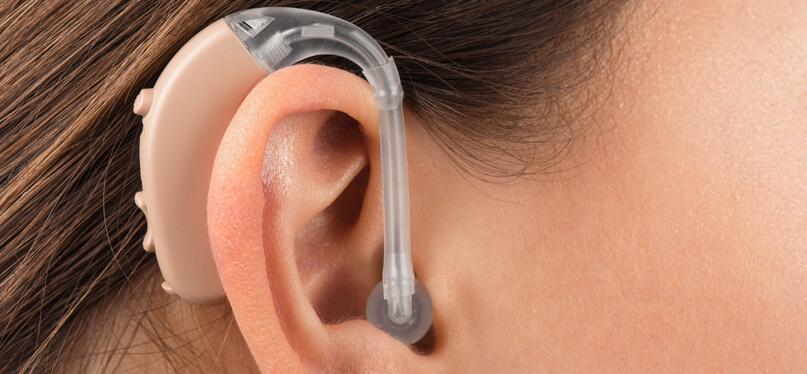 Do Pensioners Get Hearing Aids For Free?
 What Favorable Circumstances Cause You To Pick Naturopathic Doctor Toronto?
![Health Benefits Of Soaking In A Hot Bath [Infographic]](https://hr.umich.edu/sites/default/files/benefits-uhr_0.jpg "Health Benefits Of Soaking In A Hot Bath [Infographic]") Health Benefits Of Soaking In A Hot Bath [Infographic]
Health Benefits Of Soaking In A Hot Bath [Infographic]