

How Restaurant Chair Manufacturers Support Better Dining Spaces
On August 29, 2026 by Lacy AnthonyFurniture has a direct effect on how customers experience a restaurant. Guests may notice the food first, but uncomfortable or unstable seating can quickly shape their opinion. Reliable restaurant chair manufacturers understand that hospitality furniture must combine comfort, strength, appearance, and practical maintenance.
Commercial chairs face far more pressure than typical residential furniture. Staff move them many times each day, customers of different sizes use them, and cleaning happens frequently. Choosing seating designed for these conditions can reduce replacement costs while keeping the dining room attractive.
What Makes Commercial Restaurant Seating Different?
A dining chair in a home may serve a few people each day. A restaurant chair can serve dozens of guests during the same period. This constant use requires stronger materials, stable joints, durable finishes, and commercial-grade construction.
Restaurant operators should also consider cleaning requirements. Spills, food stains, moisture, and disinfectants can damage unsuitable materials. Smooth surfaces and durable upholstery make routine cleaning much easier.
Weight also affects daily operations. Staff often move chairs while cleaning floors, changing table layouts, or preparing private events. A chair that offers strength without unnecessary weight can improve efficiency.
What Restaurant Chair Manufacturers Should Provide
Experienced restaurant chair manufacturers design products around the operational needs of hospitality businesses. They understand that appearance alone does not make a chair suitable for commercial dining.
A dependable supplier should provide clear information about frame materials, finishes, upholstery, dimensions, and intended applications. Buyers should know whether a chair works best in a cafe, steakhouse, fast-food restaurant, hotel dining room, or another setting.
Product consistency also matters for large orders. Restaurants often need dozens or hundreds of matching chairs. Consistent dimensions, finishes, fabrics, and construction help maintain a professional dining room appearance.
Buyers may also benefit from manufacturers that offer several related seating styles. Matching dining chairs, armchairs, and barstools can create a more connected interior without making every seating area look identical.
Choosing Frame Materials for High-Traffic Use
The frame forms the foundation of every commercial chair. Common choices include wood, steel, aluminum, and other metal constructions. Each material offers different advantages.
Traditional solid wood creates a warm and familiar look. However, restaurant owners must consider weight, maintenance, moisture exposure, and long-term wear.
Metal frames can provide excellent strength for high-traffic spaces. Steel offers strong structural performance, while aluminum combines strength with lighter handling. Metal construction can also work well in venues where staff regularly rearrange furniture.
Some manufacturers use finishes that give metal the appearance of natural wood. This approach allows hospitality businesses to create a warm interior while maintaining the practical benefits of metal construction.
For example, information available through yumeyafurniture.com describes metal wood grain seating made with metal frames and wood-look surface finishes. This type of construction can suit restaurants that want a traditional visual style with commercial durability.
Why Metal Wood Grain Seating Appeals to Restaurants
Metal wood grain technology offers an alternative to conventional wooden seating. The chair retains a visible wood-style texture, while the structural frame remains metal.
This combination can work especially well in steak houses, cafes, bistros, hotel restaurants, and other hospitality settings. Operators can create a natural-looking dining environment without relying only on solid timber furniture.
The metal structure can also support frequent commercial use. Some models use aluminum or steel frames with wood grain finishes, allowing businesses to balance durability and design. Certain commercial products also include upholstery for added comfort.
A wood-look metal chair may also support a wider range of interior styles. It can complement rustic tables, modern dining rooms, neutral color schemes, and upscale hospitality interiors.
Comfort Still Matters in Commercial Seating
Durability should never come at the expense of guest comfort. Customers may remain seated for an hour or more during a meal, especially in full-service restaurants.
Seat height, back support, cushioning, and chair proportions all affect comfort. A well-shaped backrest supports a more natural sitting position. High-density foam can also help upholstered seats maintain their shape under regular use.
Restaurants should match seating comfort to their service model. A fine-dining venue may prefer fully upholstered chairs, while a busy cafe may prioritize easy cleaning and lightweight construction.
Armchairs can work well in selected areas where extra support is useful. Barstools are better suited to counters, bars, and high tables. Using different chair types allows restaurants to support several dining experiences within one location.
Stackable Chairs Can Improve Space Management
Storage becomes a major concern when restaurants change layouts frequently. Stackable seating gives operators more flexibility without requiring a large storage room.
Staff can remove chairs for private events, floor cleaning, seasonal changes, or different table arrangements. Stacking also helps keep unused furniture organized instead of spreading chairs across service areas.
Some commercial chair designs stack several units high. Yumeya product information, for example, lists restaurant seating models that can stack five or more chairs, depending on the design.
Before buying, operators should check whether stacking affects upholstery or finished surfaces. Well-designed stacking chairs should store efficiently without creating unnecessary damage.
Upholstered Chairs Versus Easy-Clean Designs
Upholstery can make a dining area feel softer and more welcoming. It works especially well in upscale restaurants, hotel dining rooms, lounges, and venues where customers remain seated longer.
However, fabric choice matters. Restaurant upholstery must handle frequent contact, cleaning, and occasional spills. Buyers should ask suppliers about abrasion resistance and recommended cleaning methods.
Vinyl and other wipeable surfaces may suit fast-paced dining spaces. Fabric upholstery can create a more refined atmosphere but may require more careful maintenance.
Unupholstered chairs offer another practical option. Wood-look metal, HPL backrests, and similar surfaces can simplify cleaning in cafes and high-turnover restaurants. The right choice depends on the service style, customer experience, and maintenance routine.
Matching Chairs to the Restaurant Concept
Furniture should support the brand rather than compete with it. A luxury steakhouse needs a different visual language from a casual coffee shop.
Dark wood tones and upholstered seating can create a more formal atmosphere. Light finishes and simple frames may work better in modern cafes. Compact chairs can help smaller restaurants maximize usable floor space.
Restaurant operators should also think beyond individual chairs. Tables, flooring, lighting, wall colors, and seating should work together visually.
Professional restaurant chair manufacturers often provide several finishes, frame shapes, fabrics, and seating formats. These choices help buyers coordinate furniture with an existing design concept or a new restaurant project.
Questions to Ask Before Ordering in Bulk
Large furniture orders require more planning than buying a few replacement chairs. Buyers should confirm measurements before placing an order, including overall width, depth, seat height, and back height.
Ask whether the chair is intended for commercial use and whether the frame is suitable for high-frequency seating. Request information about available finishes, upholstery choices, stackability, minimum order quantities, and packaging.
Restaurant owners should also consider future expansion. If another location opens later, matching furniture may become important. Suppliers with consistent product lines can simplify later purchases.
Samples can also help buyers evaluate comfort, finish quality, scale, and color before committing to a larger order.
Consider Long-Term Operating Costs
The cheapest chair is not always the lowest-cost chair over time. Frequent repairs and replacements can make inexpensive seating costly.
Consider expected service life, maintenance requirements, cleaning effort, storage efficiency, and replacement availability. A lightweight chair may also reduce effort during daily floor cleaning and room changes.
Stackable designs can lower storage pressure. Durable finishes can reduce cosmetic damage. Replaceable cushions or modular components may extend the useful life of certain seating systems.
For these reasons, comparing restaurant chair manufacturers should involve more than unit price. Restaurants should focus on total value across several years of operation.
Selecting Seating That Supports Daily Restaurant Operations
Restaurant furniture needs to look attractive, but its main job is to perform reliably every day. Strong frames, comfortable proportions, practical finishes, and suitable upholstery can make dining rooms easier to operate.
Businesses should choose seating based on customer needs, restaurant style, traffic levels, cleaning routines, and available storage. Stackable chairs, upholstered models, barstools, and wood-look metal seating can each serve different purposes.
Suppliers such as yumeyafurniture.com show how commercial seating can combine metal construction, wood-style finishes, stackable options, upholstered designs, and bar seating for different restaurant environments.
Careful evaluation helps restaurants invest in furniture that supports both the guest experience and daily operations. The right seating can remain useful long after changing design trends have passed.
Latest Posts
 Book Printing Solutions for High-Quality Professional Results
  Understanding the Role of a Crisis Management Firm: Protecting Reputation and Navigating Turbulent Times
 From Concept to Completion: The Lifecycle of a Civil Construction Project
 Why Construction Companies Should Consider Specialized Loans: Key Benefits
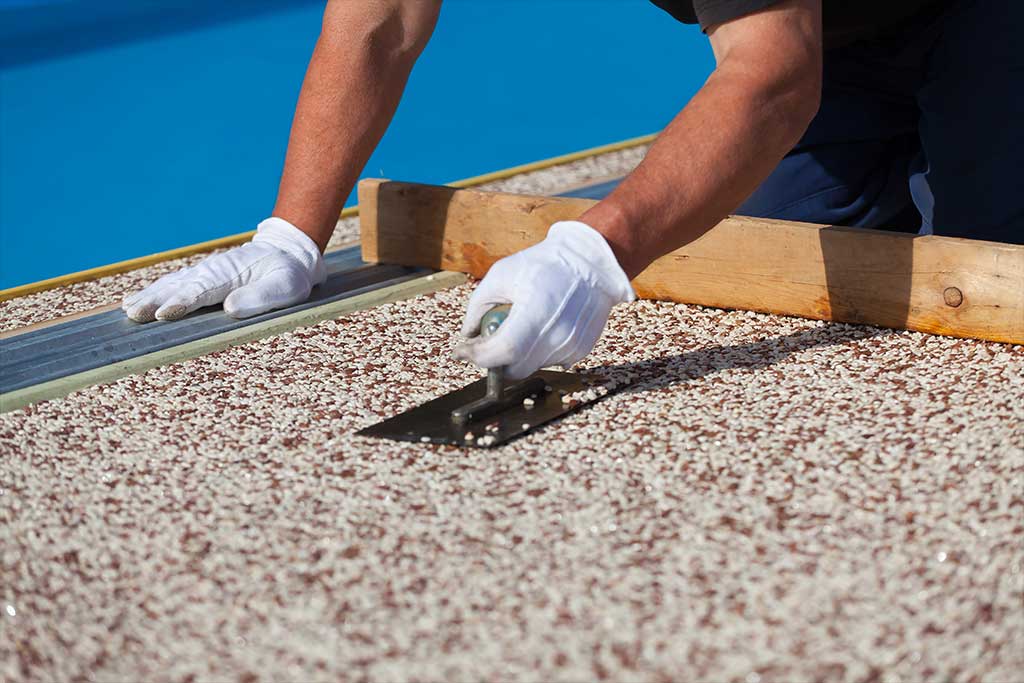 Why Retailers Are Switching to Resin Flooring: Durability Meets Design
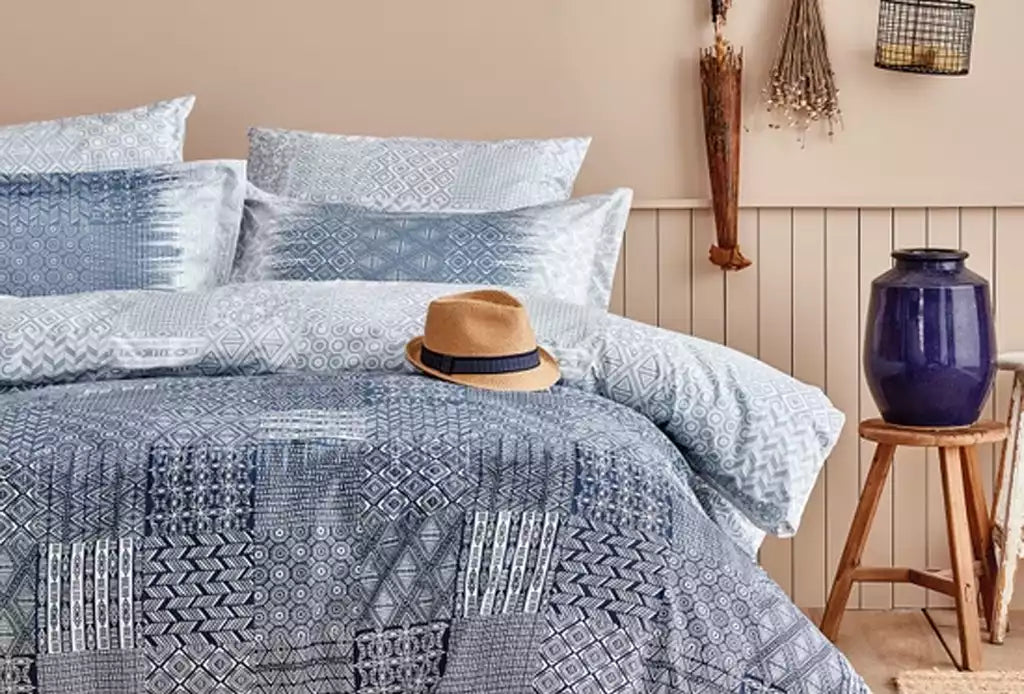 Sustainable and Organic Duvet Cover Sets That Combine Style, Comfort, and Environmental Responsibility
 Why Your Marketing Needs a Unique Appearance
 Essential Software Categories for Contemporary Business Operations
 The mutual funds landscape in Singapore: the good, the bad, and the ugly
 Stock Market Opportunities: 5 Must-Buy Stocks for Today’s Investor
 Developing Leadership within Your Organization
 5 Reasons Why you Need to Learn Time Management for your Business
 Why Supplier Risk Management Solutions are Essential for Business Growth
 The A to Z Of Business Moving Company: How To Choose The Right Option For Your Needs
 6 Examples Of Financing Online Purchase
 What Are The Common Problems With Washing Machines?
 Why Hiring an Ivalua Consultant Matters
 Why Your Construction Site Needs Security Guards
 Basics Of Hong Kong Futures Trading
 What is a Micro Business?
Popular Posts
 Alianzas de Boda para Hombre: Elegancia, Significado y Artesanía Moderna
 Lab Diamond Earrings Guide for Smart Buyers
 Diamond Three Stone Rings Buying Guide
 Lab Diamond Wedding Band Guide for Modern Couples
 CVD vs HPHT Diamond: Which Lab-Made Diamond Shines Brighter?
 Lab Grown Diamond Wedding Bands: A Modern Twist on Forever
 The Rise of Lab Created Diamonds in Modern Jewelry
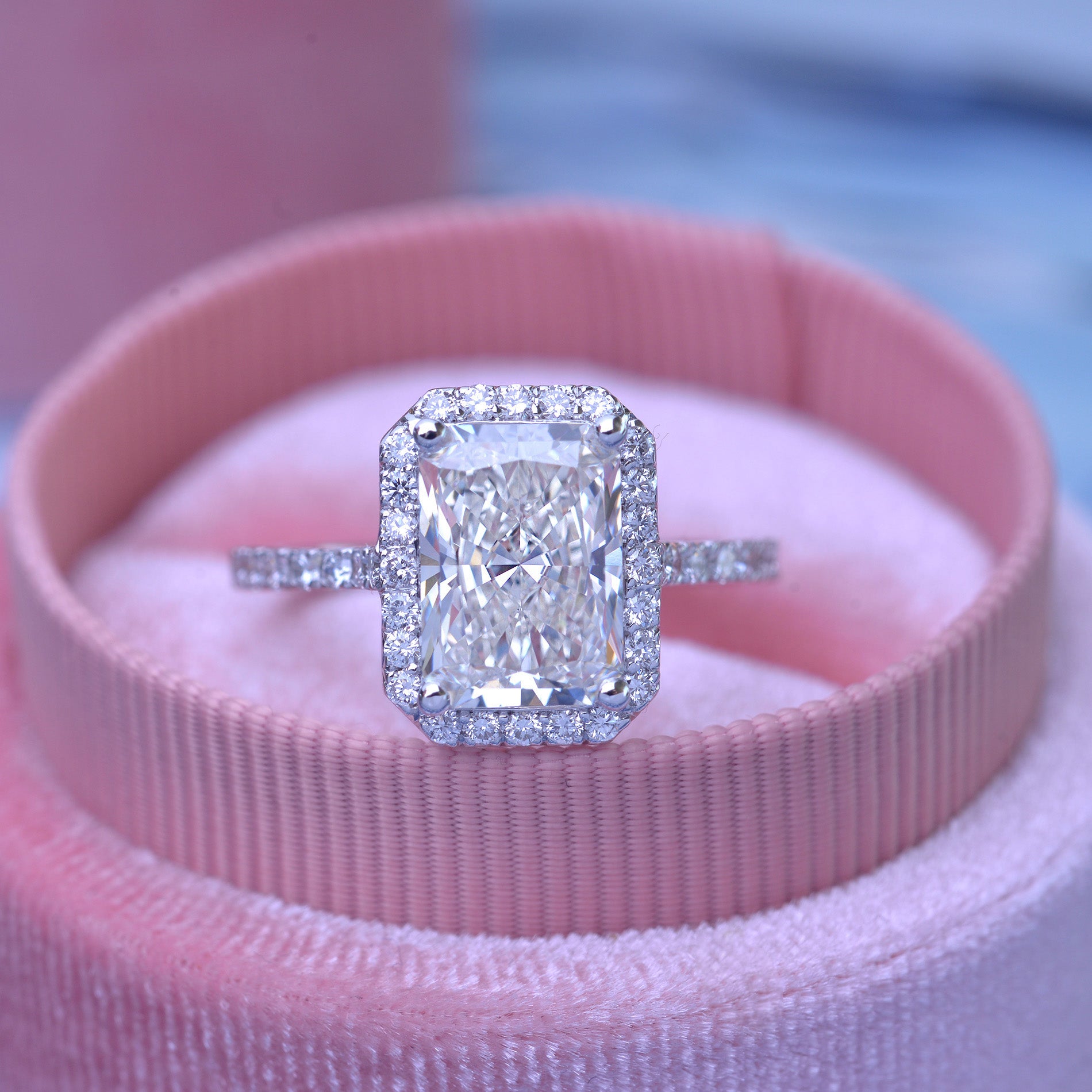 Halo Engagement Rings: Classic Glamour with Lab Grown Diamonds
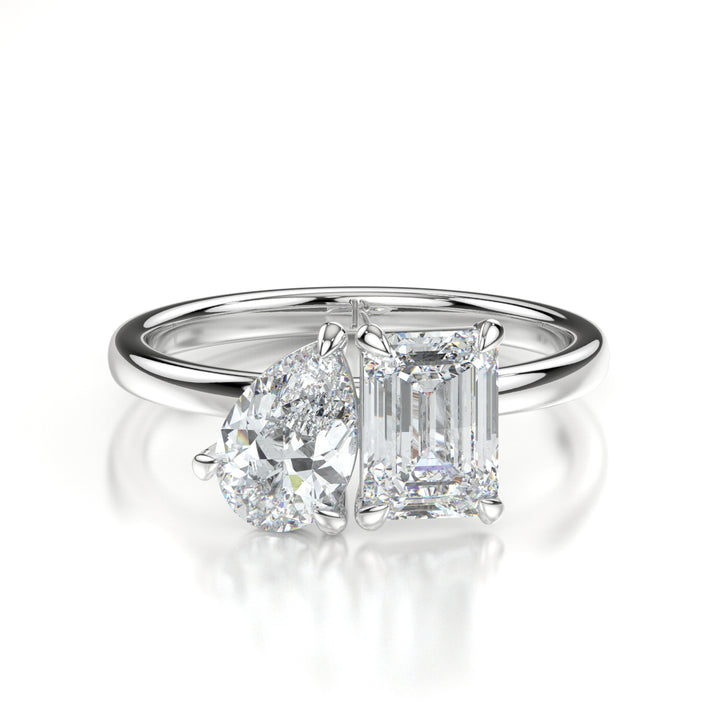 Ready to Buy Engagement Rings: A Modern Shopper’s Guide to Lab Grown Diamonds
 The Best Skincare Routine for Makeup Lovers
Lab Diamond Tennis Bracelet: Elegant Style with Sustainable Lab Diamonds
- How Big Is Your Diamond? Exploring Lab Grown Diamonds
 Lab Grown Diamonds Barcelona: The Future of Sustainable Luxury
 The Beauty and Value of Lab Grown Diamond Studs: A Modern Alternative
- Discovering the Elegance of Pulsera Riviere and Man-Made Diamonds
Recent Posts
/assets/production/practices/663a47c260d6061a1e19374945ee18fc99d25022/images/2489532.jpg "Unlocking Vitality and Well-being: The Power of Men’s Hormone Optimization – Evan Bass Men’s Clinic") Unlocking Vitality and Well-being: The Power of Men’s Hormone Optimization – Evan Bass Men’s Clinic
Unlocking Vitality and Well-being: The Power of Men’s Hormone Optimization – Evan Bass Men’s Clinic Unleashing the Power of Psychomotricity: Enhancing Development and Well-being – Hind Louali
 What Services Can an Emergency Dentist Provide?
 Essential Points You Need to Know about Physiotherapy Treatment
 Endosteal Dental Implants: Are They Good Options?
 What Is The Best Diet For Acidity Patients?
 A Dentist VS. Endodontist, Which One Do You Need?
 What Should You Know About Dental Implants?
 HOW CBD Oil IS Best For Illnesses, Uneasiness, Mind Harm, AND Maturing?
 Things You Need to Know About Best Infant Formula
 9 Foods Women Should Avoid For Better Health
 Have Beautiful White Teeth and Smile Confidently
 9 Unusual Things That Trigger Diarrhea
 Tips About the Dental Implant
 9 Health Benefits Of Eating Lemon Daily
 STD Test and Symptoms
 Top 10 Damaging Side Effects of Fast Food
 Difference Between Protein Shakes & Weight Gainer
 Common Wisdom Teeth Problems
 CBD Paste: 5 Great Health Benefits of Cannabis
 Healthy and Scientific Running Methods
 Alcohol Abuse in Los Angeles
 Do Pensioners Get Hearing Aids For Free?
 What Favorable Circumstances Cause You To Pick Naturopathic Doctor Toronto?
![Health Benefits Of Soaking In A Hot Bath [Infographic]](https://hr.umich.edu/sites/default/files/benefits-uhr_0.jpg "Health Benefits Of Soaking In A Hot Bath [Infographic]") Health Benefits Of Soaking In A Hot Bath [Infographic]
Health Benefits Of Soaking In A Hot Bath [Infographic]