

How Bitcoin Slipped Into the Mainstream Without Anyone Noticing
On December 5, 2024 by Anthony SilvaI’ve been a jeweller in Melbourne for more than a decade. Most days are about weight, clarity, colour. Gold prices. Wedding deadlines. But over the last few years, something else kept sneaking into conversations across the counter. Customers weren’t just asking about diamonds anymore. They were asking about Bitcoin. Not in a speculative, late-night internet forum way either — in a calm, almost practical tone. Can I pay with it? Should I hold it? What does it actually mean?
That’s when it really clicked for me: this wasn’t a fad passing through the workshop. Bitcoin was — and still is — quietly making history, right alongside the physical assets people have trusted for generations.
When “internet money” stopped being a joke
I’ll be honest. The first time I heard about Bitcoin, I laughed it off. It sounded abstract, distant, and a bit too clever for its own good. No weight. No shine. No safe to lock it in. As someone who’s built a career around tangible value, I was sceptical.
But history has a way of humbling us.
What started as a fringe experiment became a global conversation. People stopped asking what is Bitcoin? and started asking what does Bitcoin change? And that’s a very different question. Because change — real, lasting change — is what defines history.
Bitcoin didn’t just introduce a new type of asset. It challenged the idea that money must come from institutions, borders, or physical materials. It suggested value could be decentralised, transparent, and globally shared. That alone was enough to shake old systems.
And shaking old systems is usually how history gets made.
Bitcoin making history without asking permission
Here’s the thing many people miss: Bitcoin didn’t wait for approval. There was no marketing launch, no glossy campaign, no government rollout. It just… existed. Then grew. Then refused to disappear.
That’s part of why the phrase bitcoin making history resonates so strongly now. History isn’t always tidy. Sometimes it’s uncomfortable. Sometimes it arrives quietly and then refuses to leave.
In my shop, I’ve seen it play out in small, human ways. A young couple buying engagement rings with savings partly stored in Bitcoin. A retired engineer diversifying away from traditional accounts. A tradie asking if I knew how to convert digital holdings into something solid and real.
Bitcoin stopped being theoretical the moment people used it to mark life milestones.
Digital scarcity meets old-world value
As a jeweller, I’ve always understood scarcity. Gold isn’t valuable because it’s shiny. It’s valuable because it’s limited, durable, and difficult to replicate. The same goes for high-quality gemstones.
Bitcoin operates on a similar principle, just in a digital realm. There will only ever be a fixed amount. No surprise supply. No sudden printing. That scarcity is built into its design.
You might not know this, but that’s one of the reasons so many asset-focused professionals — not just tech people — began paying attention. Bitcoin speaks the language of scarcity fluently.
And when something scarce is also transferable across borders in minutes? That’s new territory. That’s history being written in real time.
Everyday Australians are part of the story
One of the biggest myths is that Bitcoin history is being made somewhere else — in big cities overseas or behind complex screens. In reality, everyday Australians are shaping it quietly.
I see it in customers who’ve held Bitcoin for years and now want to convert part of it into something tangible. Sometimes that means jewellery. Sometimes it means paying off debt or helping family. Sometimes it’s just about flexibility.
At some point, digital value becomes real-world choice.
That’s why conversations around how to sell bitcoin for cash have become so normal. It’s not about abandoning the technology. It’s about using it. Turning digital gains into everyday life outcomes.
When money becomes useful rather than theoretical, it earns its place in history.
Trust doesn’t appear overnight — it’s earned slowly
People often ask me why Bitcoin survived so many headlines, crashes, and critics. The answer is surprisingly simple: trust.
Not blind trust. Not hype-driven trust. But gradual, hard-earned confidence. The kind that builds when a system keeps working even when it’s under pressure.
Gold went through the same journey centuries ago. So did paper money. So did electronic banking. Every new form of value faces doubt until enough people decide it works well enough to rely on.
Bitcoin crossed that threshold years ago. Everything since then has been refinement, adoption, and integration.
Honestly, I was surprised by how many cautious, conservative clients now mention it casually. Not with excitement — with acceptance. That’s usually the sign something has become part of the furniture.
The emotional side of financial change
We don’t talk enough about the emotional layer of money. Behind every transaction is a story: security, fear, hope, independence.
For some people, Bitcoin represented freedom from systems they didn’t trust. For others, it was a hedge, a backup plan, or a quiet experiment that turned into something meaningful.
I once had a customer tell me Bitcoin helped them leave a job they hated. Another said it paid for their mum’s medical treatment. These aren’t speculative tales — they’re lived experiences.
When technology starts affecting real lives in deeply personal ways, it moves beyond innovation. It enters the historical record.
Education over hype, always
If there’s one thing I’ve learned watching Bitcoin’s rise from the sidelines, it’s this: hype fades, understanding lasts.
The people who’ve benefited most weren’t chasing headlines. They were learning. Reading. Asking questions. Making decisions aligned with their lives, not social media noise.
That’s why thoughtful resources matter. Articles that explore how bitcoin is making history without shouting, exaggerating, or promising miracles. Pieces like this one — bitcoin making history — that explain context rather than hype.
Bitcoin doesn’t need cheerleaders anymore. It needs clarity.
From novelty to normality
What fascinates me now is how ordinary Bitcoin conversations have become. There’s no drama. No wide-eyed excitement. Just practical questions about timing, storage, tax, and use.
That’s usually the final phase of adoption. When something stops being special and starts being useful.
The same happened with online banking. With contactless payments. With buying diamonds online, even. At first, it felt risky. Now it’s routine.
Bitcoin is following that same arc, just on a much larger scale.
History isn’t finished being written
Here’s the part people often forget: Bitcoin’s history isn’t complete. We’re still inside it.
The early chapters were about invention and survival. The current ones are about integration and maturity. What comes next will be shaped by how responsibly people use it, regulate it, and understand it.
And yes, there will be missteps. Every major financial shift has them. That doesn’t erase the progress already made.
From where I stand — surrounded by materials humans have valued for thousands of years — Bitcoin doesn’t feel like a threat. It feels like the next chapter in a long story about how we define worth.
Choosing how you participate
Not everyone needs to own Bitcoin. Not everyone should. History isn’t about universal adoption; it’s about meaningful impact.
Some people will hold it long-term. Others will use it as a stepping stone. Some will convert digital value into physical assets or everyday needs. All of those choices are valid.
What matters is understanding what you’re participating in — and why.
For those moments when digital gains need to become tangible, having a clear, straightforward way to sell bitcoin for cash can make all the difference. It turns an abstract idea into something grounded and usable.
A quiet revolution, still unfolding
Standing behind my counter, polishing stones that will outlast me, I often think about how strange — and fitting — it is that value keeps evolving.
Bitcoin didn’t replace gold. It didn’t destroy traditional finance. It simply added another layer. Another option. Another way to store trust.
And that, really, is how history usually unfolds. Not with explosions, but with choices. With people slowly deciding that something new deserves a place alongside what’s always worked.
Latest Posts
 Understanding the Role of a Crisis Management Firm: Protecting Reputation and Navigating Turbulent Times
 From Concept to Completion: The Lifecycle of a Civil Construction Project
 Why Construction Companies Should Consider Specialized Loans: Key Benefits
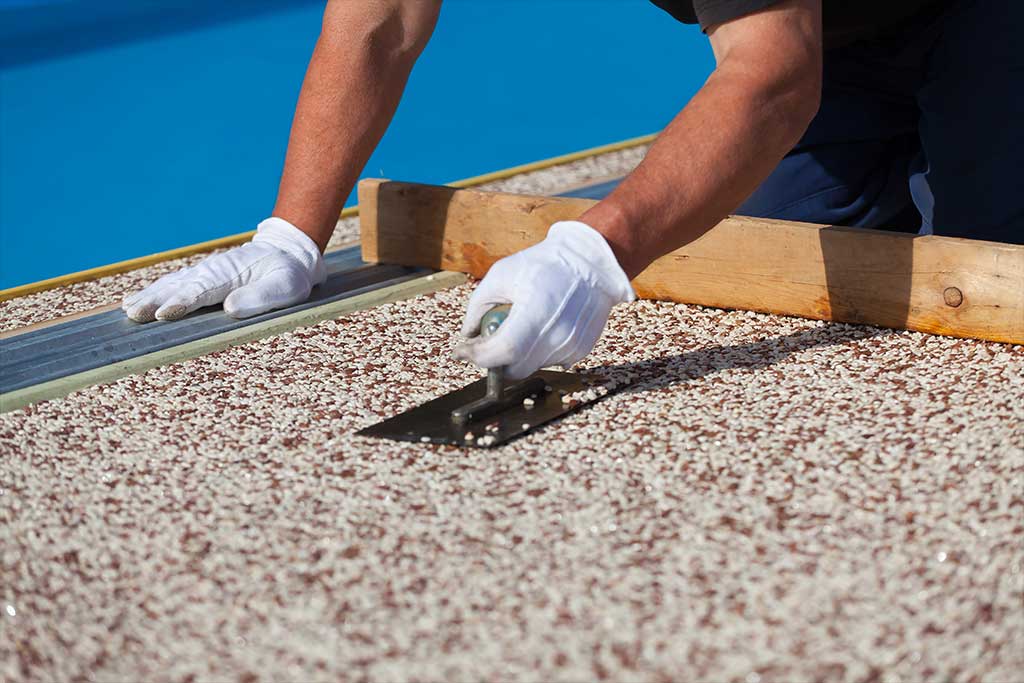 Why Retailers Are Switching to Resin Flooring: Durability Meets Design
 Sustainable and Organic Duvet Cover Sets That Combine Style, Comfort, and Environmental Responsibility
 Why Your Marketing Needs a Unique Appearance
 Essential Software Categories for Contemporary Business Operations
 The mutual funds landscape in Singapore: the good, the bad, and the ugly
 Stock Market Opportunities: 5 Must-Buy Stocks for Today’s Investor
 Developing Leadership within Your Organization
 5 Reasons Why you Need to Learn Time Management for your Business
 Why Supplier Risk Management Solutions are Essential for Business Growth
 The A to Z Of Business Moving Company: How To Choose The Right Option For Your Needs
 6 Examples Of Financing Online Purchase
 What Are The Common Problems With Washing Machines?
 Why Hiring an Ivalua Consultant Matters
 Why Your Construction Site Needs Security Guards
 Basics Of Hong Kong Futures Trading
 What is a Micro Business?
 Important Features Of A Good Business Plan For Success
Popular Posts
 CVD vs HPHT Diamond: Which Lab-Made Diamond Shines Brighter?
 Lab Grown Diamond Wedding Bands: A Modern Twist on Forever
 The Rise of Lab Created Diamonds in Modern Jewelry
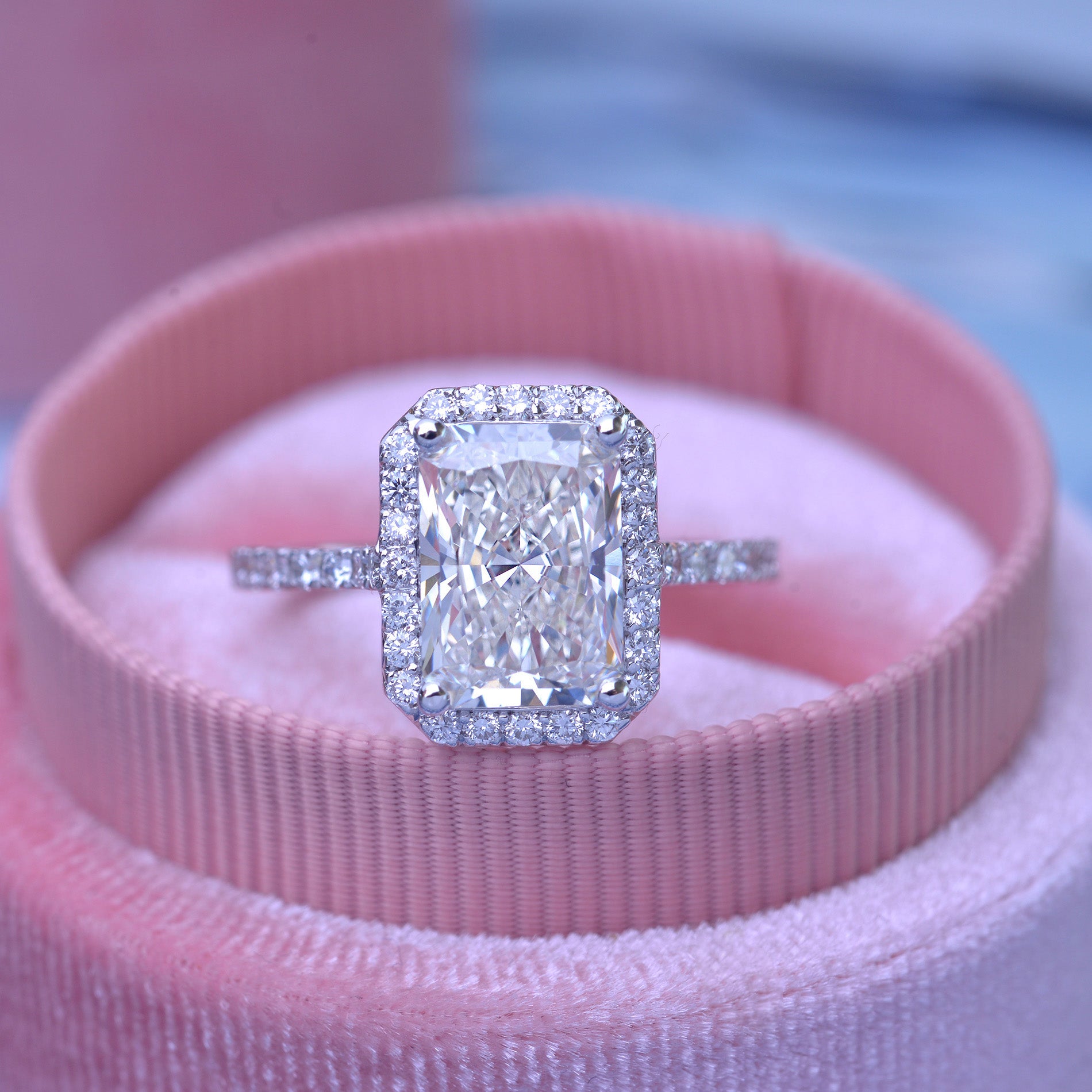 Halo Engagement Rings: Classic Glamour with Lab Grown Diamonds
 Ready to Buy Engagement Rings: A Modern Shopper’s Guide to Lab Grown Diamonds
 The Best Skincare Routine for Makeup Lovers
Lab Diamond Tennis Bracelet: Elegant Style with Sustainable Lab Diamonds
- How Big Is Your Diamond? Exploring Lab Grown Diamonds
 Lab Grown Diamonds Barcelona: The Future of Sustainable Luxury
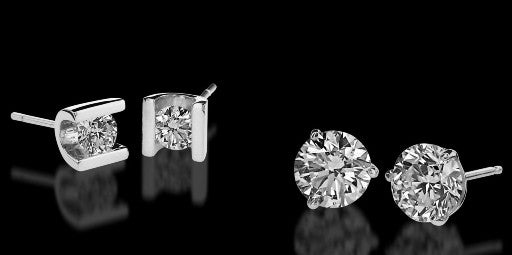 The Beauty and Value of Lab Grown Diamond Studs: A Modern Alternative
- Discovering the Elegance of Pulsera Riviere and Man-Made Diamonds
 How to Contact Novita Lab Grown Diamonds: Your Guide to Getting in Touch
 Lab-Created Diamonds in New Zealand: A Brilliant Revolution in the Jewelry Industry
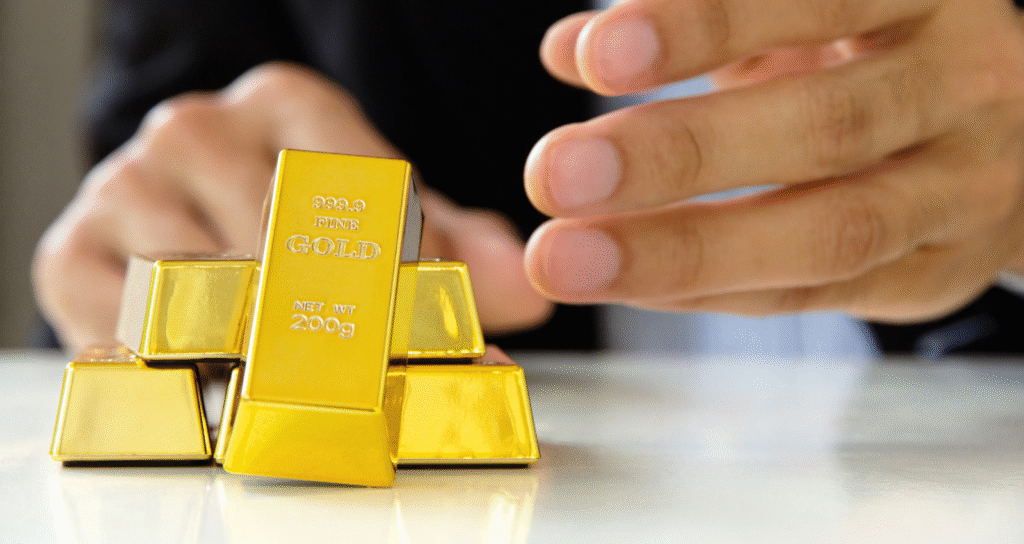 How to Sell Bullion Melbourne: A Complete Guide to Finding Trusted Gold Buyers Melbourne
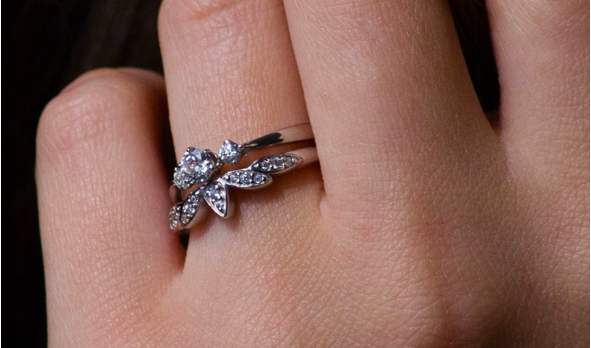 The Best Ways to Measure Your Lab Diamond Ring Size at Home
Recent Posts
/assets/production/practices/663a47c260d6061a1e19374945ee18fc99d25022/images/2489532.jpg "Unlocking Vitality and Well-being: The Power of Men’s Hormone Optimization – Evan Bass Men’s Clinic") Unlocking Vitality and Well-being: The Power of Men’s Hormone Optimization – Evan Bass Men’s Clinic
Unlocking Vitality and Well-being: The Power of Men’s Hormone Optimization – Evan Bass Men’s Clinic Unleashing the Power of Psychomotricity: Enhancing Development and Well-being – Hind Louali
 What Services Can an Emergency Dentist Provide?
 Essential Points You Need to Know about Physiotherapy Treatment
 Endosteal Dental Implants: Are They Good Options?
 What Is The Best Diet For Acidity Patients?
 A Dentist VS. Endodontist, Which One Do You Need?
 What Should You Know About Dental Implants?
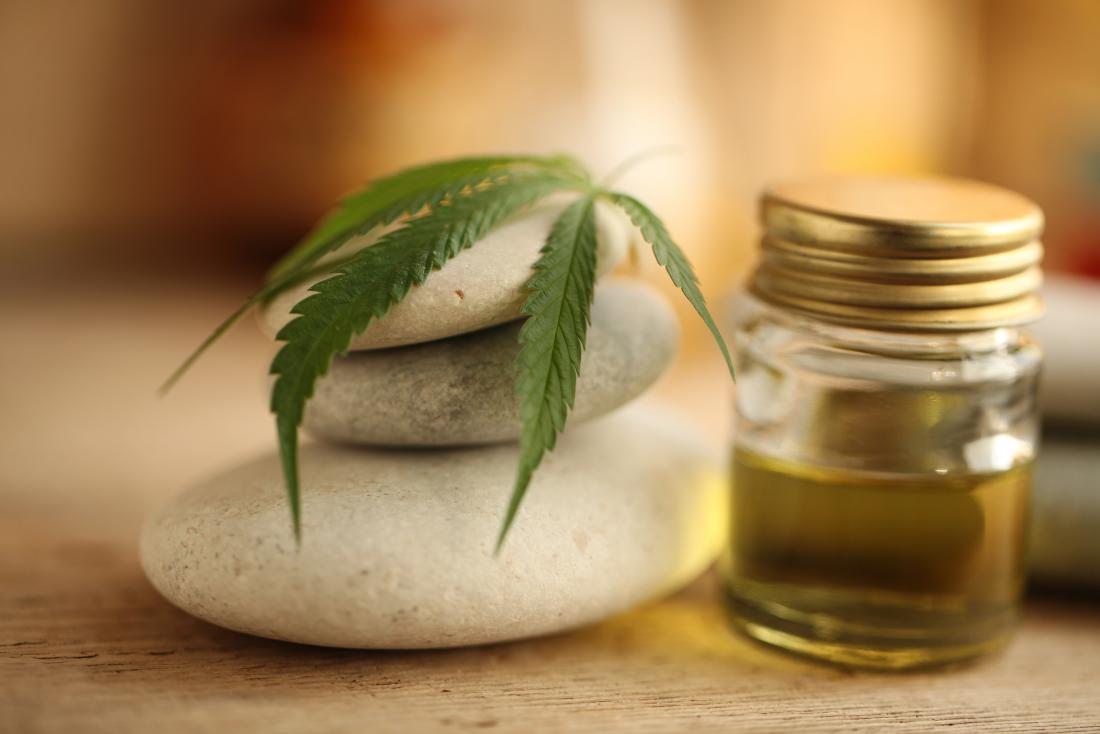 HOW CBD Oil IS Best For Illnesses, Uneasiness, Mind Harm, AND Maturing?
 Things You Need to Know About Best Infant Formula
 9 Foods Women Should Avoid For Better Health
 Have Beautiful White Teeth and Smile Confidently
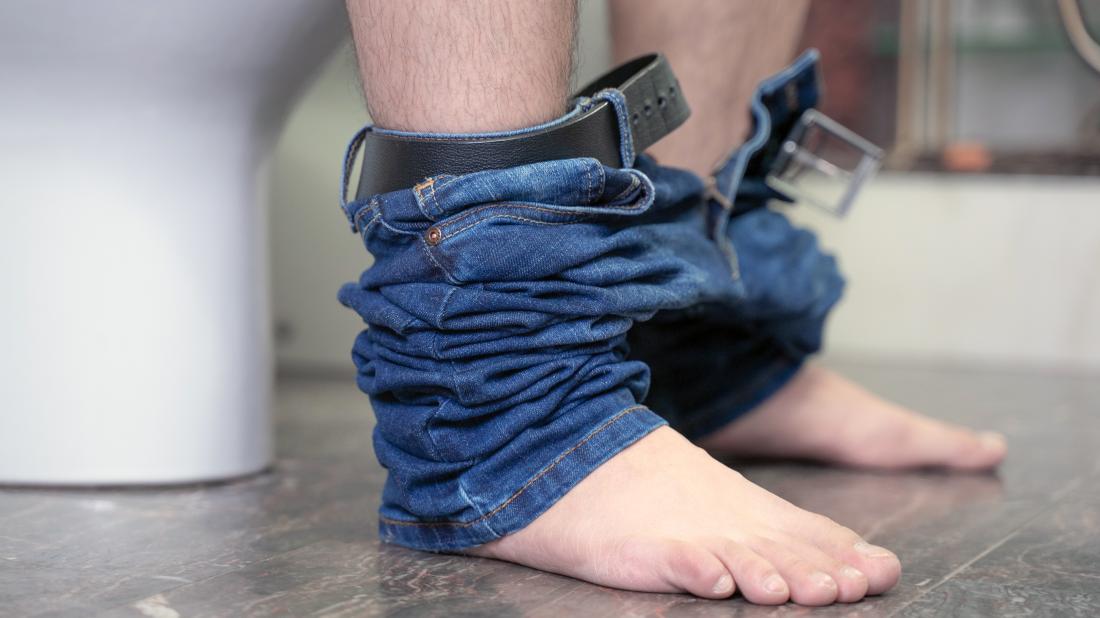 9 Unusual Things That Trigger Diarrhea
 Tips About the Dental Implant
 9 Health Benefits Of Eating Lemon Daily
 STD Test and Symptoms
 Top 10 Damaging Side Effects of Fast Food
 Difference Between Protein Shakes & Weight Gainer
 Common Wisdom Teeth Problems
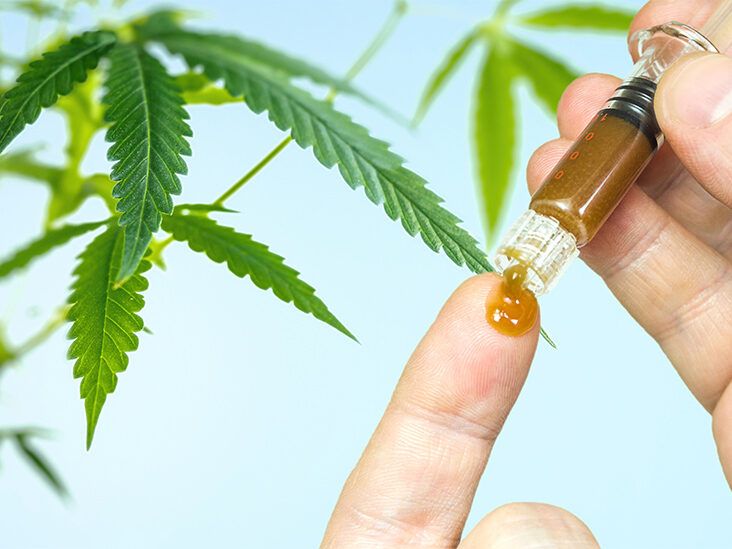 CBD Paste: 5 Great Health Benefits of Cannabis
 Healthy and Scientific Running Methods
 Alcohol Abuse in Los Angeles
 Do Pensioners Get Hearing Aids For Free?
 What Favorable Circumstances Cause You To Pick Naturopathic Doctor Toronto?
![Health Benefits Of Soaking In A Hot Bath [Infographic]](https://hr.umich.edu/sites/default/files/benefits-uhr_0.jpg "Health Benefits Of Soaking In A Hot Bath [Infographic]") Health Benefits Of Soaking In A Hot Bath [Infographic]
Health Benefits Of Soaking In A Hot Bath [Infographic]