

Cash for Gold Keeps Coming Back And What People Often Get Wrong About It
On November 29, 2024 by Anthony SilvaIf you’ve lived in Australia long enough, you’ve probably seen it all — the A-frame signs outside old-school pawn shops, the pop-up stalls in shopping centres, even those slightly mysterious mail-in envelopes promising quick cash for gold.
For years, I rolled my eyes at them. Honestly, I used to think it was all a bit gimmicky, like those “We Buy Houses” stickers on power poles. Back then, I was a jeweller in a small suburban workshop, spending my days repairing engagement rings and resizing family heirlooms. I’d hear customers whisper about selling old gold but dismiss it as “dodgy territory.”
Then the GFC hit. And suddenly, people who’d never considered selling a single trinket were rummaging through drawers for broken chains, single earrings, and outdated bangles. That was when I realised something: the cash-for-gold trade isn’t a fad. It’s a financial pressure valve that people turn to when life gets tight, messy, or simply overdue for a declutter.
Over the years, I’ve seen this industry from every angle — jewellers, refineries, private dealers, hobby investors, and everyday Aussies who just want a fair deal. And the truth is, it’s not nearly as murky as people imagine… as long as you understand how it works.
So, if you’ve ever thought about selling some old jewellery or you’re just curious about the whole process, stick with me. I’ll share the stuff I wish someone had told people sooner.
Why People Actually Sell Their Gold (It’s Not Always What You Think)
You might not know this, but gold is one of the few things almost every family has tucked away somewhere — even if it’s just a baby bracelet, a broken chain, or a ring with a missing stone. And when people finally decide to part with it, the reasons are surprisingly relatable.
1. Financial breathing room
This is the big one. Maybe the car rego is due, or the power bill arrived at exactly the wrong time. A handful of 9k gold pieces can easily add up to a few hundred dollars, which can make a tough week a little less stressful.
2. Decluttering or minimalism
I’ve seen a huge shift in the last decade. People are leaning away from clutter — especially jewellery they never wear. It feels good letting go, and even better when the pieces actually bring in cash instead of just sitting forgotten.
3. Emotional closure
Breakups, family disagreements, or inheritance that doesn’t feel right to keep — gold can hold memories, but that doesn’t mean you want those memories.
4. Broken or outdated jewellery
Old gold often sits in a small pile of “one day I’ll get it fixed.” Spoiler: most people never do. Selling it becomes the cleaner, quicker choice.
5. Rising gold prices
Whenever the market spikes, gold buyers get busier. It’s a little like when property boom headlines make everyone want to check their home value.
No matter the reason, what matters is making sure you’re dealing with someone reputable and getting a fair price — and that takes a bit of know-how.
How Gold Buyers Actually Make Their Money (And Why It Matters)
A lot of people assume gold buyers are middlemen who just flip your jewellery for resale. In reality, most gold buyers are working with refiners. Your gold gets melted down, purified, and sold in bulk.
Here’s the simple version of the business model:
- They assess your gold — checking the purity (karat), weight, and current gold price.
- They offer you a percentage of what the refined metal will be worth.
- The refiner melts and reuses the gold, often for industrial use, bullion, or new jewellery.
The buyer’s profit is the difference between the market value of the metal and what they pay you.
They’re not being sneaky — that’s just the reality of operating costs, refining fees, and margins.
But the real question is: how do you know if you’re getting a fair deal?
What Determines Your Payout When You Sell Gold
When someone brings me their grandmother’s ring or a tangle of broken chains and asks, “What’s this worth?” here’s what I look at.
1. Purity (karat weight)
Gold purity has a massive impact on value.
- 24k – pure gold
- 18k – 75% gold
- 14k – ~58%
- 9k – 37.5%
Most Australian jewellery is 9k or 18k, so don’t be shocked if your jewellery doesn’t fetch the same price per gram as bullion.
2. Total weight
If a piece has stones, clasps, hollow sections, or other metals, they don’t count toward value. Only the actual gold weight does.
3. The spot price of gold on that day
Gold prices shift daily. A $10–$20 swing might not matter for a single ring, but it makes a big difference if you’re selling a handful of pieces.
4. The buyer’s margin
This is where gold buyers differ. Some take a small cut, others take a hefty one. The trick is knowing who’s transparent and who isn’t.
If you ever feel pressured, rushed, or confused — walk away. A good buyer will happily explain everything in plain English.
Where to Sell: The Places People Don’t Realise They Can Use
When people think “cash for gold,” they usually picture a strip-mall store with neon signs. But the landscape is much broader these days.
1. Specialist gold buyers
These are businesses who operate purely in purchasing gold — often the most transparent choice. They’re comfortable testing pieces in front of you and explaining the pricing.
A great example is the kind of reputable operators who even provide information on selling cash for gold items like broken jewellery or scrap pieces in a straightforward, consumer-friendly way.
2. Jewellers
Some jewellers will buy gold, though many don’t publicly advertise it. They tend to offer slightly lower prices because they aren’t in the volume-refining game.
3. Pawnshops
Convenient, but not usually the best payout. Pawnshops deal with a bit of everything, so gold isn’t their speciality.
4. Online or mail-in buyers
This can be surprisingly good — if you choose a reputable one. The downside is you can’t watch the testing process in person.
5. Private dealers
A mixed bag. Some excellent, some terrible. You need to trust your gut here.
If you’re stuck, do a quick online search or look for guidance from credible sources like established gold buyers who explain what to expect when selling jewellery safely.
How to Avoid Being Undersold: Hard-Earned Tips From My Jeweller Days
Over time, I’ve watched plenty of people make the same mistakes when selling gold. These tips might save you from doing the same.
1. Always separate your pieces before you go
A tangle of chains makes it harder to mentally track what you brought in. By separating items — 9k, 18k, broken, unbroken — you have a clearer head during the appraisal.
2. Check for hallmarks, but don’t rely on them entirely
A “375” stamp usually means 9k, but not always. Testing is essential.
3. Ask to see the testing process
A reputable buyer won’t hide anything — not the scales, not the acid tests, not the results.
4. Get at least two quotes
Even if it’s inconvenient. Gold prices can vary dramatically between buyers.
5. Don’t clean your jewellery with home remedies first
People often scrub pieces with toothpaste or harsh cleaners, thinking it’ll be “worth more.” It won’t — and you may damage it.
6. If a piece is antique or designer, consider a jeweller’s appraisal
Rare items may be worth more as jewellery than as scrap gold.
7. Know the day’s gold price yourself
It only takes a 20-second Google search to avoid being lowballed.
These small actions might feel tedious, but they can easily mean the difference between $200 and $500 in your pocket.
The Myths People Still Believe About Selling Gold
Even after all these years, I still hear the same myths come up.
“Old gold isn’t worth anything.”
Completely wrong. In fact, broken or ugly pieces often fetch more because there’s no
“sentimental premium” inflating expectations.
“Jewellers will always pay more.”
Not usually. Jewellers aren’t set up for refining in bulk.
“The buyer should pay the full spot price.”
That’s not how it works. No buyer will pay the full melt value because refining costs money and margins have to exist for the business to function.
“White gold is worth more than yellow gold.”
Nope. Purity is purity. Colour doesn’t matter.
“Gold-plated items are valuable.”
Sorry — gold plating rarely has any real resale value.
Once people understand these truths, the whole process feels a lot less intimidating.
The Emotional Side No One Talks About
This might sound odd coming from someone who’s melted down hundreds of “sentimental” pieces over the years, but selling gold can be surprisingly emotional.
I’ve watched people cry over chains they’d worn since adolescence. I’ve watched them laugh at pieces they once thought were fashionable in the 80s. I’ve watched them quietly let go of rings tied to relationships they no longer wanted to remember.
Selling gold is rarely “just a transaction.”
It’s closure. Or renewal. Or courage. Or simply practical adulthood.
And there’s absolutely nothing wrong with that.
When Selling Gold Actually Makes Sense
Quick rule of thumb:
If it’s worn, loved, or meaningful, keep it.
If it’s broken, forgotten, or weighing on your emotional shelf, selling makes sense.
A lot of people fear regret — but regret usually comes from rushing the process. If you’ve thought about it, taken your time, and shopped around, you’ll almost always walk away feeling lighter. Sometimes wealth isn’t just about dollars.
A Final Thought — From One Former Jeweller to Anyone Thinking About It
When I left the jewellery trade, I realised something slightly surprising: gold is a strange mix of sentiment, tradition, and raw monetary value. It’s one of the few things humans have treasured for thousands of years, yet it can be melted and reborn endlessly.
If you’re thinking about selling some gold, don’t let fear or stigma stop you. Do your homework, choose a reputable buyer, and trust your instincts. Whether you walk away with a few hundred dollars or a sense of closure, both can be equally valuable. And if nothing else, let this be a reminder:
Latest Posts
 Understanding the Role of a Crisis Management Firm: Protecting Reputation and Navigating Turbulent Times
 From Concept to Completion: The Lifecycle of a Civil Construction Project
 Why Construction Companies Should Consider Specialized Loans: Key Benefits
 Why Retailers Are Switching to Resin Flooring: Durability Meets Design
 Sustainable and Organic Duvet Cover Sets That Combine Style, Comfort, and Environmental Responsibility
 Why Your Marketing Needs a Unique Appearance
 Essential Software Categories for Contemporary Business Operations
 The mutual funds landscape in Singapore: the good, the bad, and the ugly
 Stock Market Opportunities: 5 Must-Buy Stocks for Today’s Investor
 Developing Leadership within Your Organization
 5 Reasons Why you Need to Learn Time Management for your Business
 Why Supplier Risk Management Solutions are Essential for Business Growth
 The A to Z Of Business Moving Company: How To Choose The Right Option For Your Needs
 6 Examples Of Financing Online Purchase
 What Are The Common Problems With Washing Machines?
 Why Hiring an Ivalua Consultant Matters
 Why Your Construction Site Needs Security Guards
 Basics Of Hong Kong Futures Trading
 What is a Micro Business?
 Important Features Of A Good Business Plan For Success
Popular Posts
 CVD vs HPHT Diamond: Which Lab-Made Diamond Shines Brighter?
 Lab Grown Diamond Wedding Bands: A Modern Twist on Forever
 The Rise of Lab Created Diamonds in Modern Jewelry
 Halo Engagement Rings: Classic Glamour with Lab Grown Diamonds
 Ready to Buy Engagement Rings: A Modern Shopper’s Guide to Lab Grown Diamonds
 The Best Skincare Routine for Makeup Lovers
Lab Diamond Tennis Bracelet: Elegant Style with Sustainable Lab Diamonds
- How Big Is Your Diamond? Exploring Lab Grown Diamonds
 Lab Grown Diamonds Barcelona: The Future of Sustainable Luxury
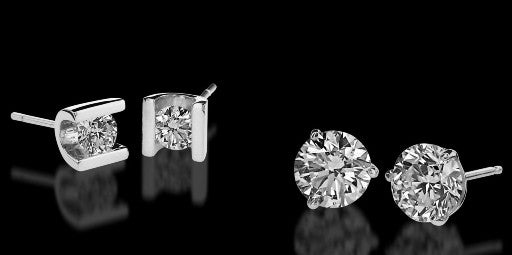 The Beauty and Value of Lab Grown Diamond Studs: A Modern Alternative
- Discovering the Elegance of Pulsera Riviere and Man-Made Diamonds
 How to Contact Novita Lab Grown Diamonds: Your Guide to Getting in Touch
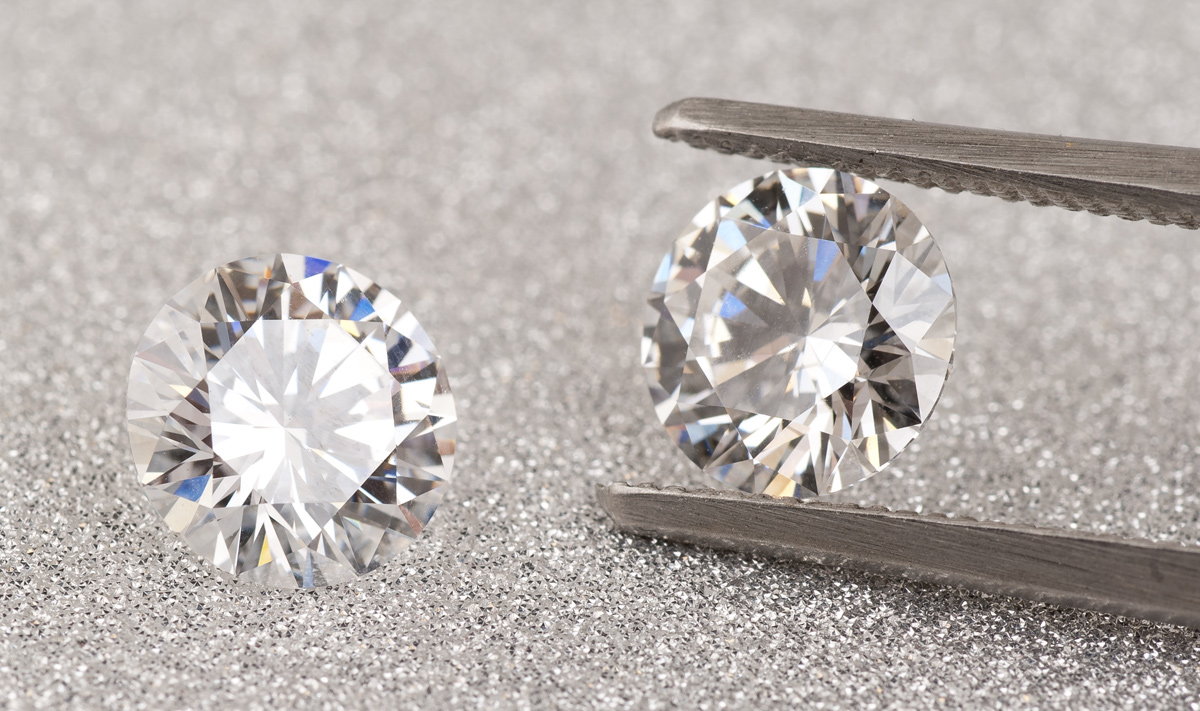 Lab-Created Diamonds in New Zealand: A Brilliant Revolution in the Jewelry Industry
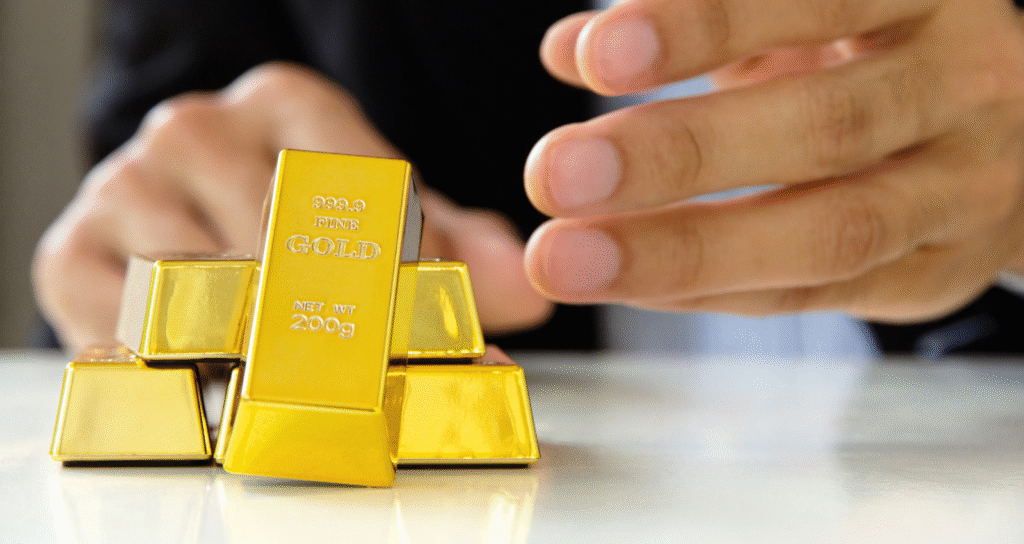 How to Sell Bullion Melbourne: A Complete Guide to Finding Trusted Gold Buyers Melbourne
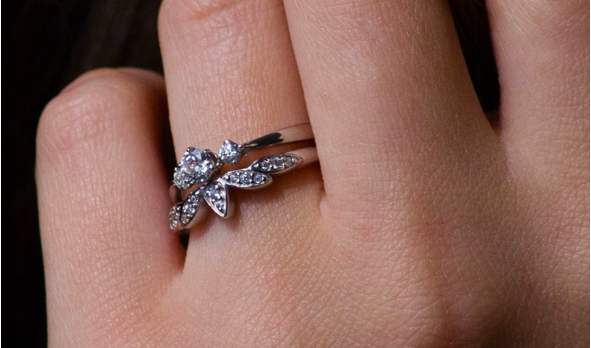 The Best Ways to Measure Your Lab Diamond Ring Size at Home
Recent Posts
/assets/production/practices/663a47c260d6061a1e19374945ee18fc99d25022/images/2489532.jpg "Unlocking Vitality and Well-being: The Power of Men’s Hormone Optimization – Evan Bass Men’s Clinic") Unlocking Vitality and Well-being: The Power of Men’s Hormone Optimization – Evan Bass Men’s Clinic
Unlocking Vitality and Well-being: The Power of Men’s Hormone Optimization – Evan Bass Men’s Clinic Unleashing the Power of Psychomotricity: Enhancing Development and Well-being – Hind Louali
 What Services Can an Emergency Dentist Provide?
 Essential Points You Need to Know about Physiotherapy Treatment
 Endosteal Dental Implants: Are They Good Options?
 What Is The Best Diet For Acidity Patients?
 A Dentist VS. Endodontist, Which One Do You Need?
 What Should You Know About Dental Implants?
 HOW CBD Oil IS Best For Illnesses, Uneasiness, Mind Harm, AND Maturing?
 Things You Need to Know About Best Infant Formula
 9 Foods Women Should Avoid For Better Health
 Have Beautiful White Teeth and Smile Confidently
 9 Unusual Things That Trigger Diarrhea
 Tips About the Dental Implant
 9 Health Benefits Of Eating Lemon Daily
 STD Test and Symptoms
 Top 10 Damaging Side Effects of Fast Food
 Difference Between Protein Shakes & Weight Gainer
 Common Wisdom Teeth Problems
 CBD Paste: 5 Great Health Benefits of Cannabis
 Healthy and Scientific Running Methods
 Alcohol Abuse in Los Angeles
 Do Pensioners Get Hearing Aids For Free?
 What Favorable Circumstances Cause You To Pick Naturopathic Doctor Toronto?
![Health Benefits Of Soaking In A Hot Bath [Infographic]](https://hr.umich.edu/sites/default/files/benefits-uhr_0.jpg "Health Benefits Of Soaking In A Hot Bath [Infographic]") Health Benefits Of Soaking In A Hot Bath [Infographic]
Health Benefits Of Soaking In A Hot Bath [Infographic]