

Selecting a Detergent Powder Manufacturing Machine by Process
On September 2, 2026 by Lacy AnthonyA detergent powder manufacturing machine is not simply a mixer with a larger motor. It is part of a system that must handle powders, liquids, fragrances, additives, dust, and packaging at a steady rate. Buyers often focus first on output capacity, yet daily performance depends on more. Mixing quality, feeding accuracy, cleaning access, operator workload, and line layout can affect every production shift. A machine that matches the formula and factory setup can reduce wasted material and make batch quality easier to control.
Start With the Product You Plan to Make
Detergent powders differ in density, particle size, moisture level, fragrance content, and active ingredients. These differences affect how materials should be blended and moved.
A light powder may need gentler handling to reduce dust losses. A denser formula may place more load on mixers, conveyors, and discharge systems. Products with liquid additions also need even distribution. Poor spraying can create wet spots, lumps, or uneven fragrance.
Before comparing equipment, define the formulas you expect to produce. Include current products and realistic future variations. This helps prevent buying a system that works for one recipe but struggles with another.
Detergent Powder Manufacturing Machine Capacity Needs Context
Capacity figures only make sense under real operating conditions. A machine may be rated by kilograms per hour or per batch, but usable output changes with mixing time, loading speed, cleaning, and product changeovers.
For a batch process, calculate the full cycle. Loading takes time, followed by mixing, discharge, and sometimes cleaning. The number of complete cycles per shift matters more than mixer volume alone.
Continuous systems feed materials at detergent powder manufacturing machine rates without stopping after each batch. They can support higher output, but they also require stable feeding and dependable downstream equipment.
Oversizing can create problems. A large mixer operating far below its intended fill level may not blend efficiently. Undersizing causes repeated cycles, overtime, and bottlenecks.
Mixing Quality Matters More Than Motor Size
A powerful motor does not guarantee uniform powder. Mixer design, blade shape, rotation speed, fill level, and ingredient sequence all affect the result.
The machine must spread small-dose ingredients through a much larger base material. This matters for colorants, enzymes, perfumes, and concentrated additives. If these components gather in pockets, finished bags may vary.
Ask how the mixer handles ingredients with different particle sizes and densities. Also consider discharge behavior. Powder left inside the chamber can mix with the next formula.
For companies comparing suppliers, technical references such as www.cnzjmb.com can support initial research, but machine selection should still follow documented process needs and direct technical discussion.
Feeding and Dosing Shape Formula Accuracy
Raw materials must enter in the correct amounts and at the proper time. Manual feeding can work for smaller operations, especially with simple formulas and modest batch sizes. However, weighing mistakes or missed additions can affect an entire batch.
Semi-automatic and automatic dosing systems can improve repeatability. They may use hoppers, screw feeders, weighing systems, pumps, or metering devices. The best arrangement depends on whether an ingredient is free-flowing powder, fine powder, or liquid.
Automation should solve a real production problem. Complex controls can add cost without equal value in a small line.
Dust Control Deserves Early Attention
Powder handling creates dust at loading, transfer, mixing, and packing points. Dust can reduce material yield, increase housekeeping work, and make the production area less comfortable.
Enclosed transfer paths can limit powder escape. Local collection near feeding or discharge points may also help. Smooth connections between machines reduce places where fine material can collect.
Factory layout matters. Long open transfers can create more dust than a compact, enclosed line. Buyers should review the complete material path instead of judging each machine alone.
Materials and Cleaning Access Affect Long-Term Use
Product-contact surfaces should suit the formula and the factory’s cleaning method. Smooth internal areas are easier to clean than deep corners or unnecessary ledges. Access panels should let workers inspect places where powder may remain after discharge.
A detergent powder manufacturing machine that is difficult to clean can create hidden losses. Changeovers take longer, old material can contaminate the next batch, and maintenance teams may need extra labor.
External design matters too. Bearings, seals, motors, and electrical parts should be positioned so routine service does not require major disassembly.
Think Beyond the Mixer to the Whole Line
A detergent plant may include raw material handling, screening, mixing, conveying, storage, filling, sealing, and dust collection. The slowest stage can limit the entire system.
A fast mixer provides little advantage if the packing machine cannot keep up. The same problem occurs when raw materials load slowly or finished powder waits for discharge.
Equipment should therefore be matched as a line. Conveyor rates, hopper sizes, mixer output, buffer storage, and packing speed need enough balance to prevent frequent stops.
Floor space and ceiling height also affect machine choice. Some systems use gravity and require more vertical clearance. Others need more floor area.
Controls Should Fit the Team Using Them
It is essential to make sure that operators can use a control easily, while mechanics can access the electrical schematics, adjustment, and replacement parts. In addition, it is necessary to ask such questions as “what happens if a sensor fails, a belt slips, or the power goes out?” A system that is well-engineered anticipates and addresses such questions.
In the case of digital, it helps run the recipe, timing functions, alarm systems, and sequencing operations. It can make production more consistent, especially when multiple products are being made on a single line.
Maintenance Costs Begin at the Design Stage
The cost of equipment is not just the purchase price, but a significant fraction of the total equipment costs will be spent on consumables such as wear parts, seals, bearings, belts, filters, sensors, and electrical components.
It is important to identify which components are standard and which are custom. Standard components should be available to buy locally. Custom components might require more planning and better spare-parts management.
Simplest maintenance, lubrication, inspection, adjustment, and cleaning routines should be performed routinely and should be simple to carry out. Accessibility to grease points, inspection points, tensioners, and cleaning should be simple.
Questions Worth Asking Before You Order
Ask what size batch the system can handle comfortably as well as its absolute maximum. Inquire about mixing time, discharge time, power requirements, materials of construction, access for cleaning, and required utilities.
If liquids are introduced into the system, ask about how they are added and dosed, and whether spraying occurs. Ask about installation requirements such as floor preparation, electrical service, compressed air supply, ventilation, and available space.
If possible, request a test on a similar powder to help see firsthand how the machine handles various materials and how much dust it produces, as well as the thoroughness of the discharge and mixing efficiency.
Build for Stable Output, Not Just a Larger Number
The best option is the one that most consistently produces the required output at the required rate. A detergent powder manufacturing machine has to match the formula, batch size, space, labor, and packing capacity rather than going for the highest possible figures.
A buyer has to go through the process to find the right equipment. One has to consider the ingredients, production volume, cleaning, controls, and maintenance before comparing alternatives. This way, one can have a solid frame of reference when evaluating different suppliers and designing the most appropriate line after installation.
Latest Posts
 Understanding the Role of a Crisis Management Firm: Protecting Reputation and Navigating Turbulent Times
 From Concept to Completion: The Lifecycle of a Civil Construction Project
 Why Construction Companies Should Consider Specialized Loans: Key Benefits
 Why Retailers Are Switching to Resin Flooring: Durability Meets Design
 Sustainable and Organic Duvet Cover Sets That Combine Style, Comfort, and Environmental Responsibility
 Why Your Marketing Needs a Unique Appearance
 Essential Software Categories for Contemporary Business Operations
 The mutual funds landscape in Singapore: the good, the bad, and the ugly
 Stock Market Opportunities: 5 Must-Buy Stocks for Today’s Investor
 Developing Leadership within Your Organization
 5 Reasons Why you Need to Learn Time Management for your Business
 Why Supplier Risk Management Solutions are Essential for Business Growth
 The A to Z Of Business Moving Company: How To Choose The Right Option For Your Needs
 6 Examples Of Financing Online Purchase
 What Are The Common Problems With Washing Machines?
 Why Hiring an Ivalua Consultant Matters
 Why Your Construction Site Needs Security Guards
 Basics Of Hong Kong Futures Trading
 What is a Micro Business?
 Important Features Of A Good Business Plan For Success
Popular Posts
 Alianzas de Boda para Hombre: Elegancia, Significado y Artesanía Moderna
 Lab Diamond Earrings Guide for Smart Buyers
 Diamond Three Stone Rings Buying Guide
 Lab Diamond Wedding Band Guide for Modern Couples
 CVD vs HPHT Diamond: Which Lab-Made Diamond Shines Brighter?
 Lab Grown Diamond Wedding Bands: A Modern Twist on Forever
 The Rise of Lab Created Diamonds in Modern Jewelry
 Halo Engagement Rings: Classic Glamour with Lab Grown Diamonds
 Ready to Buy Engagement Rings: A Modern Shopper’s Guide to Lab Grown Diamonds
 The Best Skincare Routine for Makeup Lovers
Lab Diamond Tennis Bracelet: Elegant Style with Sustainable Lab Diamonds
- How Big Is Your Diamond? Exploring Lab Grown Diamonds
 Lab Grown Diamonds Barcelona: The Future of Sustainable Luxury
 The Beauty and Value of Lab Grown Diamond Studs: A Modern Alternative
- Discovering the Elegance of Pulsera Riviere and Man-Made Diamonds
Recent Posts
/assets/production/practices/663a47c260d6061a1e19374945ee18fc99d25022/images/2489532.jpg "Unlocking Vitality and Well-being: The Power of Men’s Hormone Optimization – Evan Bass Men’s Clinic") Unlocking Vitality and Well-being: The Power of Men’s Hormone Optimization – Evan Bass Men’s Clinic
Unlocking Vitality and Well-being: The Power of Men’s Hormone Optimization – Evan Bass Men’s Clinic Unleashing the Power of Psychomotricity: Enhancing Development and Well-being – Hind Louali
 What Services Can an Emergency Dentist Provide?
 Essential Points You Need to Know about Physiotherapy Treatment
 Endosteal Dental Implants: Are They Good Options?
 What Is The Best Diet For Acidity Patients?
 A Dentist VS. Endodontist, Which One Do You Need?
 What Should You Know About Dental Implants?
 HOW CBD Oil IS Best For Illnesses, Uneasiness, Mind Harm, AND Maturing?
 Things You Need to Know About Best Infant Formula
 9 Foods Women Should Avoid For Better Health
 Have Beautiful White Teeth and Smile Confidently
 9 Unusual Things That Trigger Diarrhea
 Tips About the Dental Implant
 9 Health Benefits Of Eating Lemon Daily
 STD Test and Symptoms
 Top 10 Damaging Side Effects of Fast Food
 Difference Between Protein Shakes & Weight Gainer
 Common Wisdom Teeth Problems
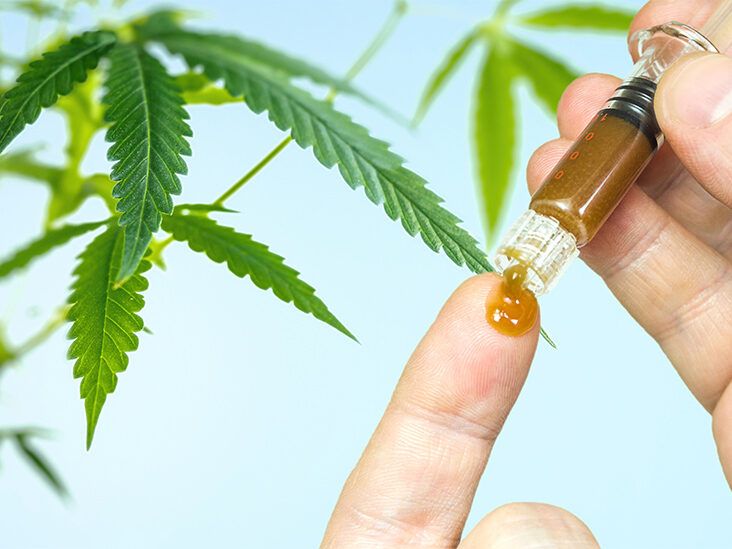 CBD Paste: 5 Great Health Benefits of Cannabis
 Healthy and Scientific Running Methods
 Alcohol Abuse in Los Angeles
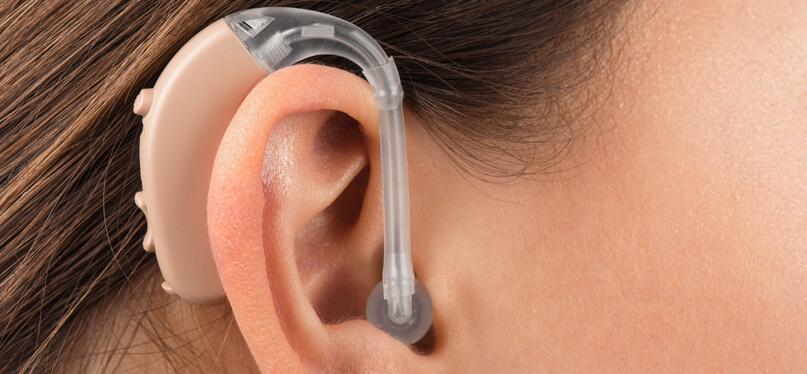 Do Pensioners Get Hearing Aids For Free?
 What Favorable Circumstances Cause You To Pick Naturopathic Doctor Toronto?
![Health Benefits Of Soaking In A Hot Bath [Infographic]](https://hr.umich.edu/sites/default/files/benefits-uhr_0.jpg "Health Benefits Of Soaking In A Hot Bath [Infographic]") Health Benefits Of Soaking In A Hot Bath [Infographic]
Health Benefits Of Soaking In A Hot Bath [Infographic]