

How to Choose a Diamond Pendant That Fits Your Style
On June 14, 2026 by Lacy AnthonyA diamond pendant can be one of the most versatile pieces in a jewelry collection. It can suit casual, work, or formal clothing while adding a personal touch.
Choosing one takes more thought than picking the largest stone within budget. Shape, cut quality, metal, setting, chain length, and daily wear all affect how the pendant looks and feels. A careful comparison helps you find a piece that suits both your style and your routine.
Start With the Look You Want
Before comparing technical details, decide what kind of impression you want the pendant to create. Some buyers prefer a small, bright stone that feels subtle. Others want a larger center stone that becomes the main focus of an outfit.
Classic round diamonds offer strong sparkle and pair well with almost any setting. Oval, pear, emerald, and cushion shapes create a more distinctive look. Geometric shapes may feel modern, while softer outlines often appear more romantic or traditional.
Think about the jewelry you already wear and how the pendant will fit beside it.
Understand the Diamond Quality Factors
Diamond quality is commonly described through cut, color, clarity, and carat weight. These factors help buyers compare stones, but they do not contribute equally to appearance. Cut often has a major impact on brightness and sparkle because it influences how light moves through the diamond.
Carat refers to weight, not visible size. Stones with the same carat weight can look different because of shape, proportions, and setting.
Color and clarity also influence price. For a pendant, you may not need the highest grades because the stone is usually viewed from a greater distance than an engagement ring. This can create room in the budget for a better cut or a preferred size.
Buyers who want a non-mined option may also consider lab grown diamonds. Clear product descriptions matter because laboratory-created stones should be identified in a way that distinguishes them from mined stones.
Choose a Setting That Supports the Design
The setting affects both appearance and security. A prong setting exposes more of the diamond, which can help light reach the stone. Four-prong designs often look minimal, while six-prong styles can provide a more enclosed appearance.
A bezel setting surrounds the stone with a rim of metal. It creates a clean, modern look and can be a practical choice for active wear. Halo settings use smaller stones around the center, making the design look larger and more decorative.
The setting should also suit the diamond shape. Pear and marquise stones have pointed ends that may benefit from extra protection. A skilled jeweler can explain how the setting protects vulnerable areas without hiding too much of the stone.
Balance the Pendant With the Chain
A beautiful center piece can still feel wrong if the chain does not suit it. Chain thickness should support the pendant without overpowering it. A very fine chain may look delicate, but it needs enough strength for regular wear.
Length changes where the pendant sits on the body. Shorter chains often place the stone near the collarbone, while longer chains create a more relaxed look. Neckline, body proportions, and layering habits can all influence the best choice.
Around this stage, shoppers may compare a colgante diamante based on both the stone and the complete necklace design rather than judging the center gem alone. The bail, chain, clasp, and setting all contribute to comfort, balance, and long-term use.
Select a Metal That Works With Your Wardrobe
The metal changes the character of the pendant. Yellow gold adds warmth and works well with many classic designs. White gold offers a bright, neutral appearance that blends easily with cool-toned jewelry.
Rose gold creates a softer color and can make a simple pendant feel more distinctive. Platinum is dense, naturally white, and often chosen for premium jewelry. Each metal differs in price, maintenance, weight, and appearance.
If you already wear one metal most days, choosing the same family can make styling easier. Mixed metals can also work well, so matching is not a strict rule.
Set a Budget Before Comparing Stones
A clear budget makes shopping more efficient. Instead of focusing on one grade or size, compare complete pieces within a realistic price range. This helps you see where small compromises produce better value.
For example, you might choose a slightly lower clarity grade and use the savings for a better cut or stronger setting. You could also select a less expensive metal to keep more of the budget for the center stone. The best balance depends on what you notice most when wearing the necklace.
Ask for transparent details about the diamond, metal purity, chain, return policy, and warranty. An independent grading report can also provide useful information about a diamond’s quality characteristics. GIA recommends reviewing such documentation when buying diamonds, especially online.
Think About Everyday Comfort and Wear
A pendant should fit your daily habits. If you plan to wear it often, consider whether the setting catches on clothing or hair. Check whether the clasp is easy to use and whether the chain feels comfortable for several hours.
People who layer necklaces should also think about spacing. Different chain lengths can reduce tangling and keep each piece visible. A simple solitaire pendant often layers well because it adds sparkle without making the neckline look crowded.
For occasional wear, you may prefer a more elaborate setting where style takes priority.
Care for the Necklace Properly
Diamonds are very hard, but jewelry still needs careful handling. A stone can collect oil and dirt, and a setting can loosen over time. GIA advises gentle cleaning with warm water, mild soap, and a soft toothbrush for many diamond pieces, while harsh chemicals and abrasive cleaners should be avoided.
Store the necklace so the chain does not knot and the diamond does not rub against other jewelry. A soft pouch or separate compartment works well. It is also smart to have the setting checked by a jeweler from time to time, especially if the piece is worn frequently.
Make the Final Choice Personal
Technical grades help narrow the options, but they should not replace personal taste. Look at how the pendant sits, how much sparkle you notice, and whether the design feels natural with your clothing. If you shop online, detailed images, measurements, grading information, and a clear return policy can make comparison easier.
Buyers comparing mined stones with lab grown diamonds should focus on clear disclosure, documented quality, design, price, and personal priorities. The right necklace is the one that fits your budget, feels comfortable, and keeps earning a place in your everyday rotation.
Latest Posts
 Book Printing Solutions for High-Quality Professional Results
  Understanding the Role of a Crisis Management Firm: Protecting Reputation and Navigating Turbulent Times
 From Concept to Completion: The Lifecycle of a Civil Construction Project
 Why Construction Companies Should Consider Specialized Loans: Key Benefits
 Why Retailers Are Switching to Resin Flooring: Durability Meets Design
 Sustainable and Organic Duvet Cover Sets That Combine Style, Comfort, and Environmental Responsibility
 Why Your Marketing Needs a Unique Appearance
 Essential Software Categories for Contemporary Business Operations
 The mutual funds landscape in Singapore: the good, the bad, and the ugly
 Stock Market Opportunities: 5 Must-Buy Stocks for Today’s Investor
 Developing Leadership within Your Organization
 5 Reasons Why you Need to Learn Time Management for your Business
 Why Supplier Risk Management Solutions are Essential for Business Growth
 The A to Z Of Business Moving Company: How To Choose The Right Option For Your Needs
 6 Examples Of Financing Online Purchase
 What Are The Common Problems With Washing Machines?
 Why Hiring an Ivalua Consultant Matters
 Why Your Construction Site Needs Security Guards
 Basics Of Hong Kong Futures Trading
 What is a Micro Business?
Popular Posts
 Alianzas de Boda para Hombre: Elegancia, Significado y Artesanía Moderna
 Lab Diamond Earrings Guide for Smart Buyers
 Diamond Three Stone Rings Buying Guide
 Lab Diamond Wedding Band Guide for Modern Couples
 CVD vs HPHT Diamond: Which Lab-Made Diamond Shines Brighter?
 Lab Grown Diamond Wedding Bands: A Modern Twist on Forever
 The Rise of Lab Created Diamonds in Modern Jewelry
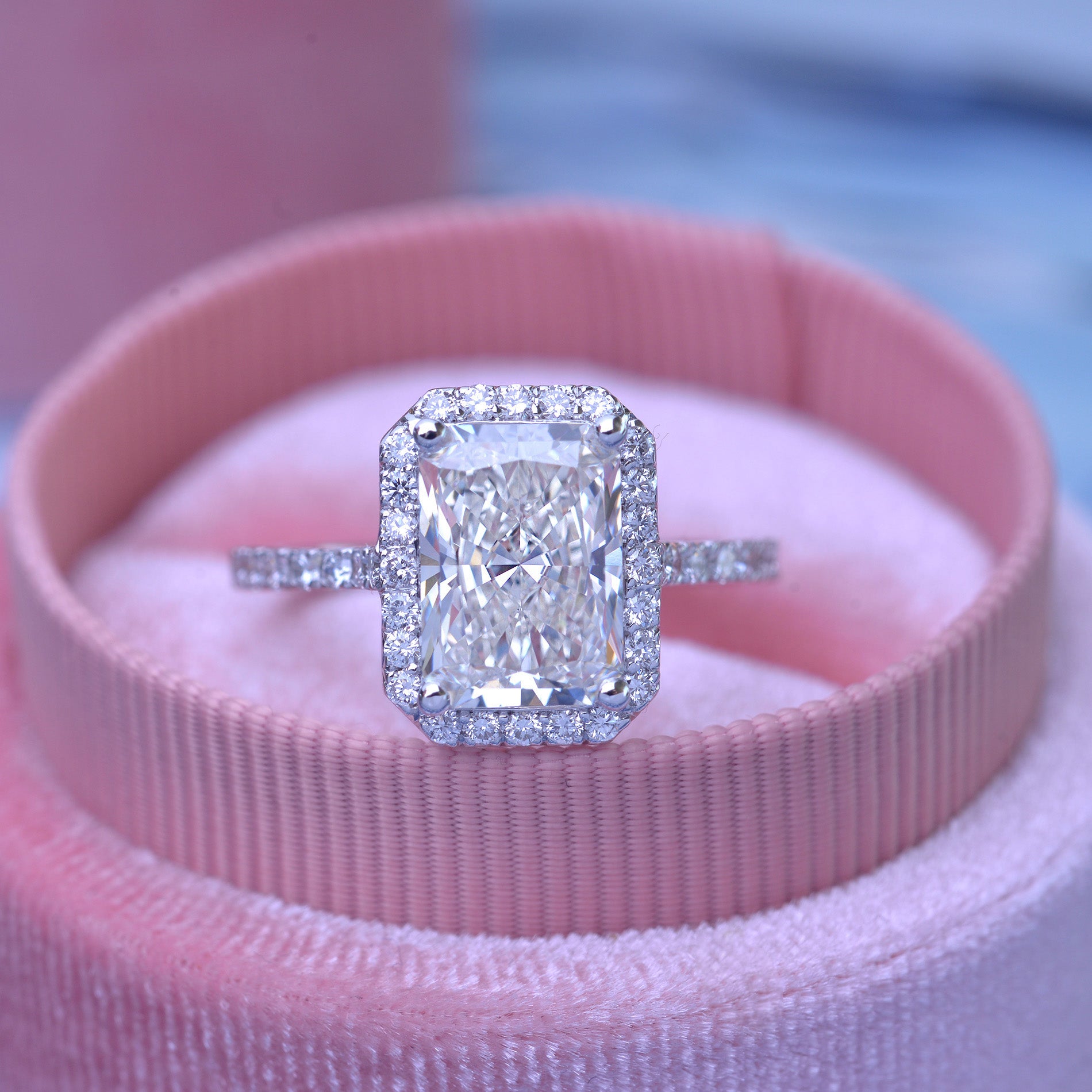 Halo Engagement Rings: Classic Glamour with Lab Grown Diamonds
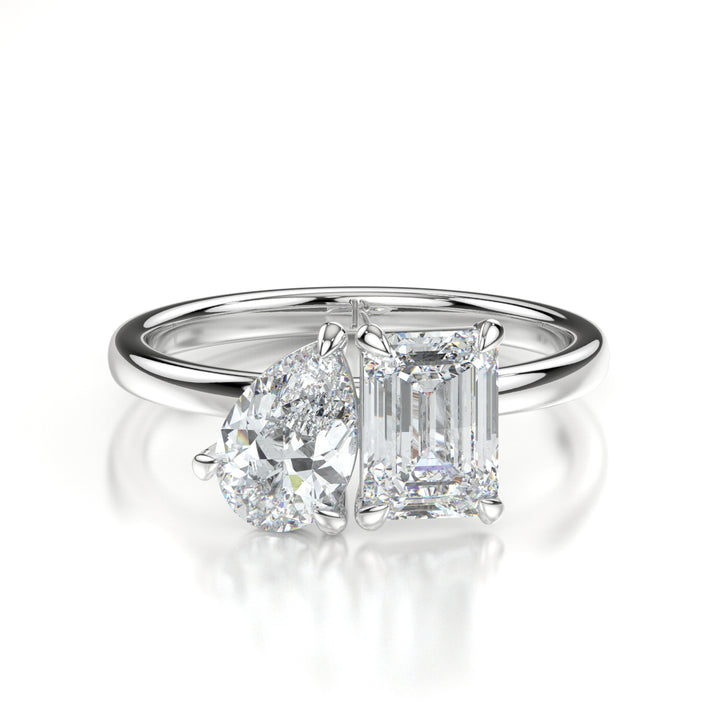 Ready to Buy Engagement Rings: A Modern Shopper’s Guide to Lab Grown Diamonds
 The Best Skincare Routine for Makeup Lovers
Lab Diamond Tennis Bracelet: Elegant Style with Sustainable Lab Diamonds
- How Big Is Your Diamond? Exploring Lab Grown Diamonds
 Lab Grown Diamonds Barcelona: The Future of Sustainable Luxury
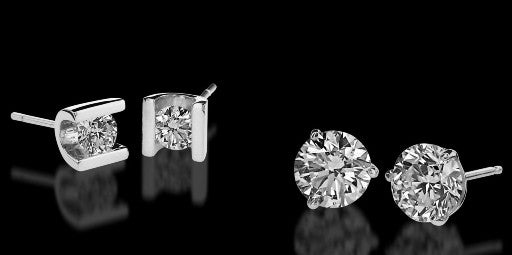 The Beauty and Value of Lab Grown Diamond Studs: A Modern Alternative
- Discovering the Elegance of Pulsera Riviere and Man-Made Diamonds
Recent Posts
/assets/production/practices/663a47c260d6061a1e19374945ee18fc99d25022/images/2489532.jpg "Unlocking Vitality and Well-being: The Power of Men’s Hormone Optimization – Evan Bass Men’s Clinic") Unlocking Vitality and Well-being: The Power of Men’s Hormone Optimization – Evan Bass Men’s Clinic
Unlocking Vitality and Well-being: The Power of Men’s Hormone Optimization – Evan Bass Men’s Clinic Unleashing the Power of Psychomotricity: Enhancing Development and Well-being – Hind Louali
 What Services Can an Emergency Dentist Provide?
 Essential Points You Need to Know about Physiotherapy Treatment
 Endosteal Dental Implants: Are They Good Options?
 What Is The Best Diet For Acidity Patients?
 A Dentist VS. Endodontist, Which One Do You Need?
 What Should You Know About Dental Implants?
 HOW CBD Oil IS Best For Illnesses, Uneasiness, Mind Harm, AND Maturing?
 Things You Need to Know About Best Infant Formula
 9 Foods Women Should Avoid For Better Health
 Have Beautiful White Teeth and Smile Confidently
 9 Unusual Things That Trigger Diarrhea
 Tips About the Dental Implant
 9 Health Benefits Of Eating Lemon Daily
 STD Test and Symptoms
 Top 10 Damaging Side Effects of Fast Food
 Difference Between Protein Shakes & Weight Gainer
 Common Wisdom Teeth Problems
 CBD Paste: 5 Great Health Benefits of Cannabis
 Healthy and Scientific Running Methods
 Alcohol Abuse in Los Angeles
 Do Pensioners Get Hearing Aids For Free?
 What Favorable Circumstances Cause You To Pick Naturopathic Doctor Toronto?
![Health Benefits Of Soaking In A Hot Bath [Infographic]](https://hr.umich.edu/sites/default/files/benefits-uhr_0.jpg "Health Benefits Of Soaking In A Hot Bath [Infographic]") Health Benefits Of Soaking In A Hot Bath [Infographic]
Health Benefits Of Soaking In A Hot Bath [Infographic]